
Vaccination is one of the most important things you can do to protect your dog or cat from serious, often fatal diseases. In India, where many infectious diseases are still prevalent due to large stray populations and variable veterinary access, a proper vaccination schedule is essential. Vaccines are divided into core (recommended for all pets) and non-core (lifestyle/risk-based).

Core vs Non-Core Vaccines – What's the Difference?
Core vaccines protect against highly contagious, widespread, or life-threatening diseases that all pets should be protected against, regardless of lifestyle.
Non-core vaccines are optional and recommended based on the pet's risk factors: geographic location, lifestyle (indoor/outdoor), travel, kennel stays, or contact with other animals.
Vaccination Schedule for Dogs
| Age | Vaccine | Type | Notes |
|---|---|---|---|
| 6–8 weeks | DHPP (Distemper, Hepatitis/Adenovirus, Parvovirus, Parainfluenza) | Core | First dose of puppy series |
| 10–12 weeks | DHPP booster + Rabies (first dose) | Core | Rabies mandatory in India |
| 14–16 weeks | DHPP final booster + Rabies booster (if needed) | Core | Completes puppy series |
| 12–16 weeks (optional) | Leptospirosis (2 doses, 2–4 weeks apart) | Non-core | Highly recommended in India due to high risk |
| 12–16 weeks (optional) | Kennel Cough (Bordetella) | Non-core | Needed for boarding, dog parks |
| 12–16 weeks (optional) | Canine Influenza | Non-core | Rare but emerging in some areas |
| Annual / Every 3 years | DHPP booster | Core | Many vets now use 3-year protocols for adult dogs |
| Annual / Every 3 years | Rabies | Core | Legally required annually in most Indian states |
| Annual (if risk) | Leptospirosis, Kennel Cough, etc. | Non-core | Based on lifestyle and vet recommendation |
Vaccination Schedule for Cats
| Age | Vaccine | Type | Notes |
|---|---|---|---|
| 6–8 weeks | FVRCP (Feline Viral Rhinotracheitis, Calicivirus, Panleukopenia) | Core | First dose of kitten series |
| 10–12 weeks | FVRCP booster + Rabies (first dose) | Core | Rabies mandatory in India |
| 14–16 weeks | FVRCP final booster + Rabies booster (if needed) | Core | Completes kitten series |
| 12–16 weeks (optional) | Feline Leukemia Virus (FeLV) | Non-core | Recommended for outdoor cats or multi-cat households |
| 12–16 weeks (optional) | Feline Infectious Peritonitis (FIP) – emerging vaccine | Non-core | Discuss with vet; availability limited |
| Annual / Every 3 years | FVRCP booster | Core | Many vets now use 3-year protocols for indoor adult cats |
| Annual / Every 3 years | Rabies | Core | Legally required annually in most Indian states |
| Annual (if risk) | FeLV | Non-core | For cats with outdoor access or high exposure |
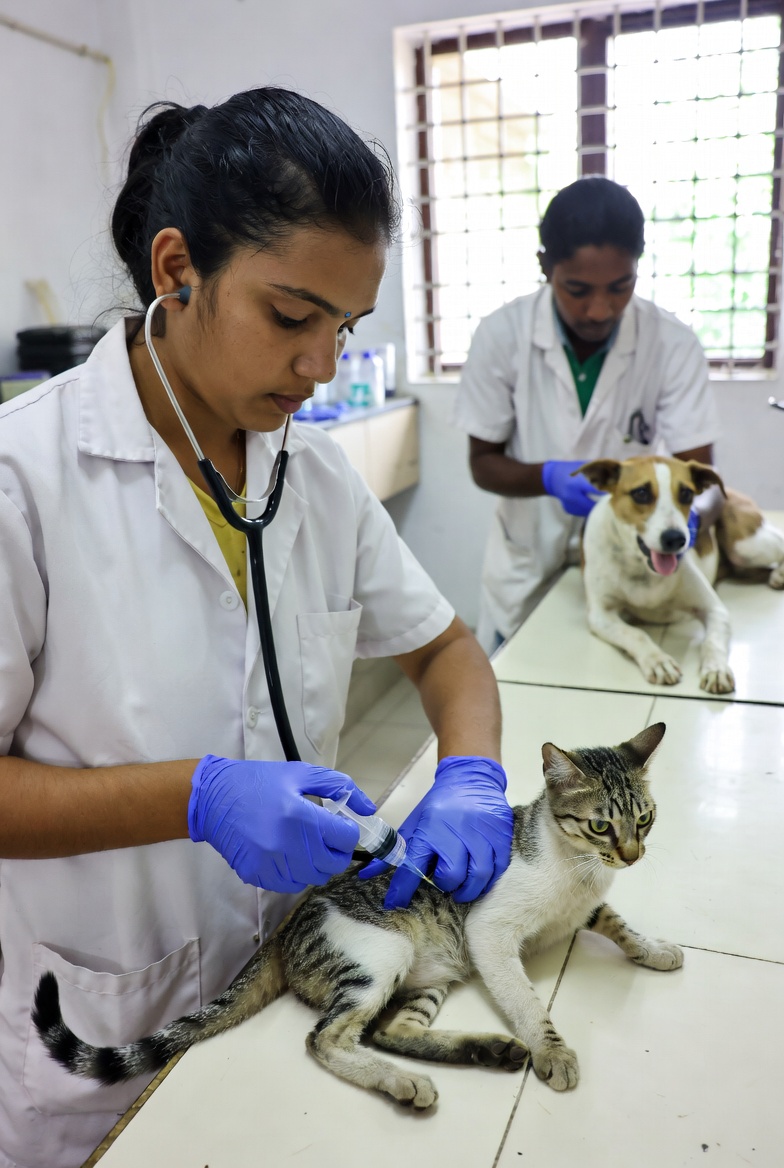
Core Vaccines Explained
For Dogs
- Distemper: Highly contagious, often fatal virus affecting respiratory, GI, and nervous systems.
- Hepatitis (Adenovirus): Liver disease, can be fatal.
- Parvovirus: Severe, bloody diarrhoea; very high mortality in unvaccinated puppies.
- Rabies: Fatal, zoonotic; legally required in India.
For Cats
- FVR (Rhinotracheitis): Upper respiratory infection ("cat flu").
- Calicivirus: Respiratory and oral ulcers.
- Panleukopenia: Severe GI disease, high mortality in kittens.
- Rabies: Same as dogs — mandatory.
Non-Core Vaccines – When Recommended
- Leptospirosis (Dogs): Bacterial disease spread via contaminated water/soil; common in India due to flooding and monsoon.
- Kennel Cough (Dogs): For boarding, dog parks, shows.
- Feline Leukemia (Cats): For outdoor or multi-cat households.
India-Specific Vaccination Considerations
- Leptospirosis vaccine strongly recommended due to high prevalence during monsoon season.
- Parvovirus and distemper outbreaks still occur in unvaccinated and stray populations.
- Follow local municipal laws for rabies certificates (required for travel, boarding, or licensing in some cities).
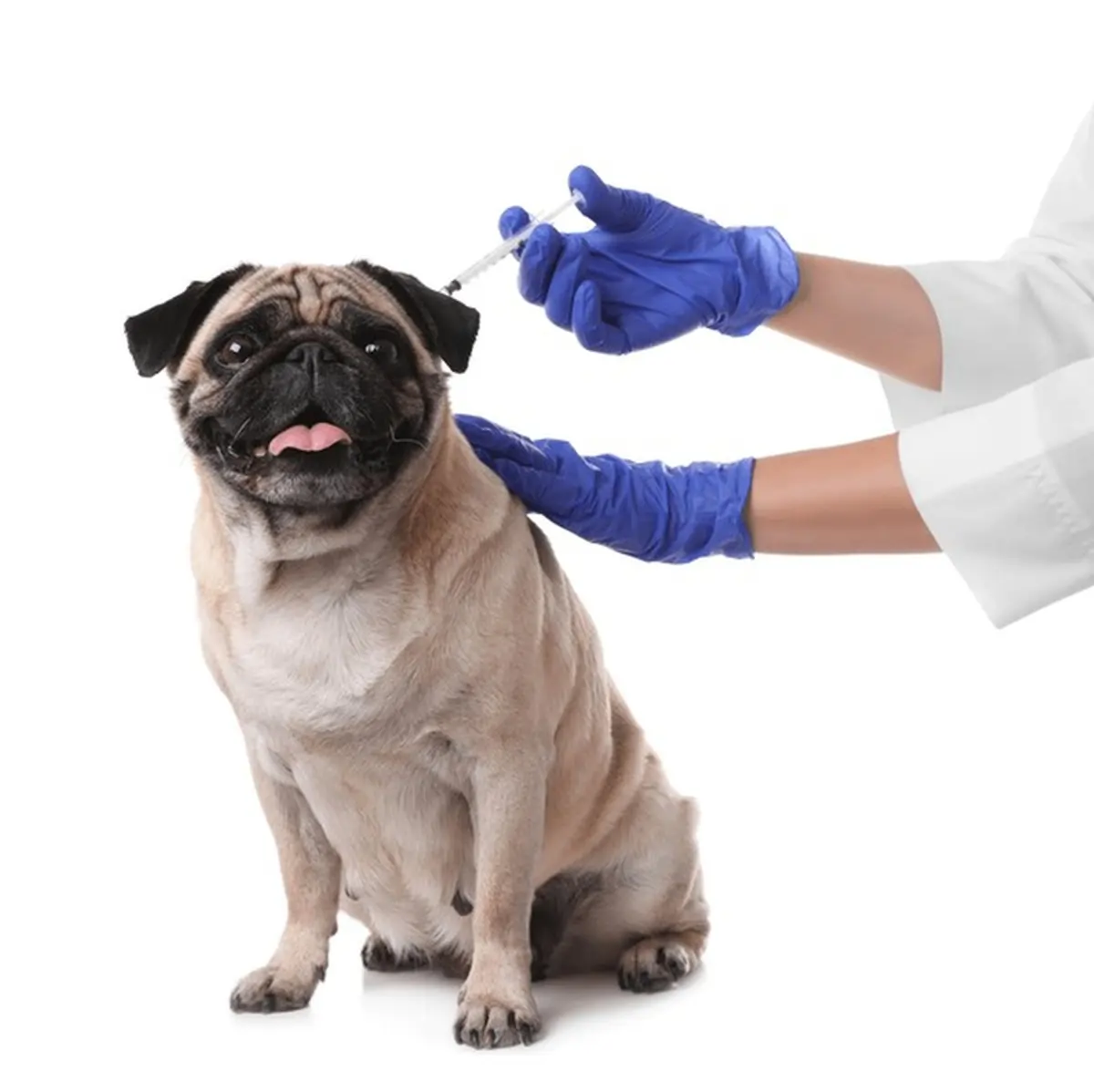
After Vaccination – What to Expect
Mild side effects (lethargy, slight fever, soreness at the injection site) are normal for 1–2 days. Severe reactions — facial swelling, vomiting, or collapse — are rare but require immediate veterinary attention. Avoid heavy exercise or bathing for 48 hours post-vaccination.
Conclusion
Vaccination is the cornerstone of preventive pet care. Core vaccines protect against the most dangerous diseases, while non-core vaccines are tailored to your pet's lifestyle and environment. Work closely with your veterinarian to create a personalised schedule — especially important in India where disease exposure remains high.
This content is provided for educational purposes only and is not a substitute for professional veterinary advice. Vaccination schedules should always be determined by your registered veterinarian based on your pet's age, health, lifestyle, and local disease prevalence.