
Dry Eye in Dogs & Cats
Keratoconjunctivitis Sicca (KCS)
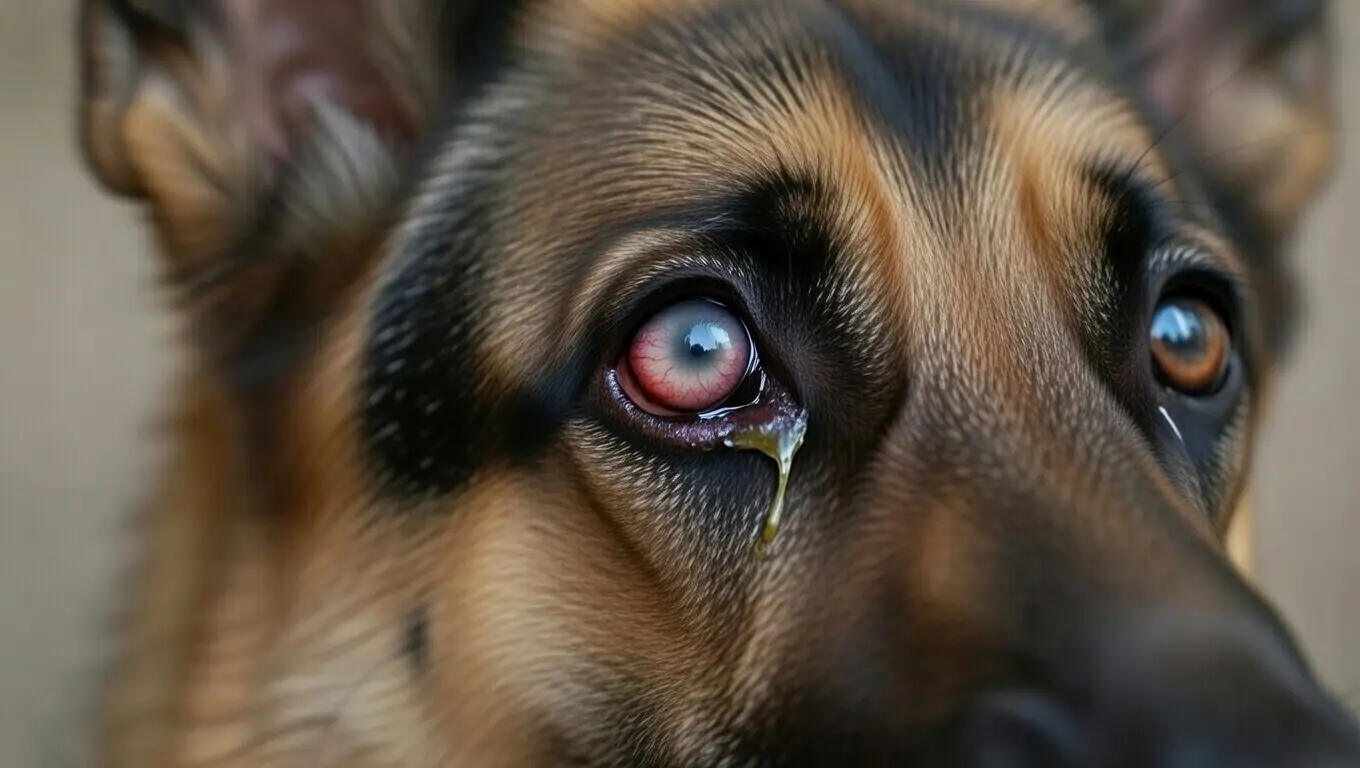
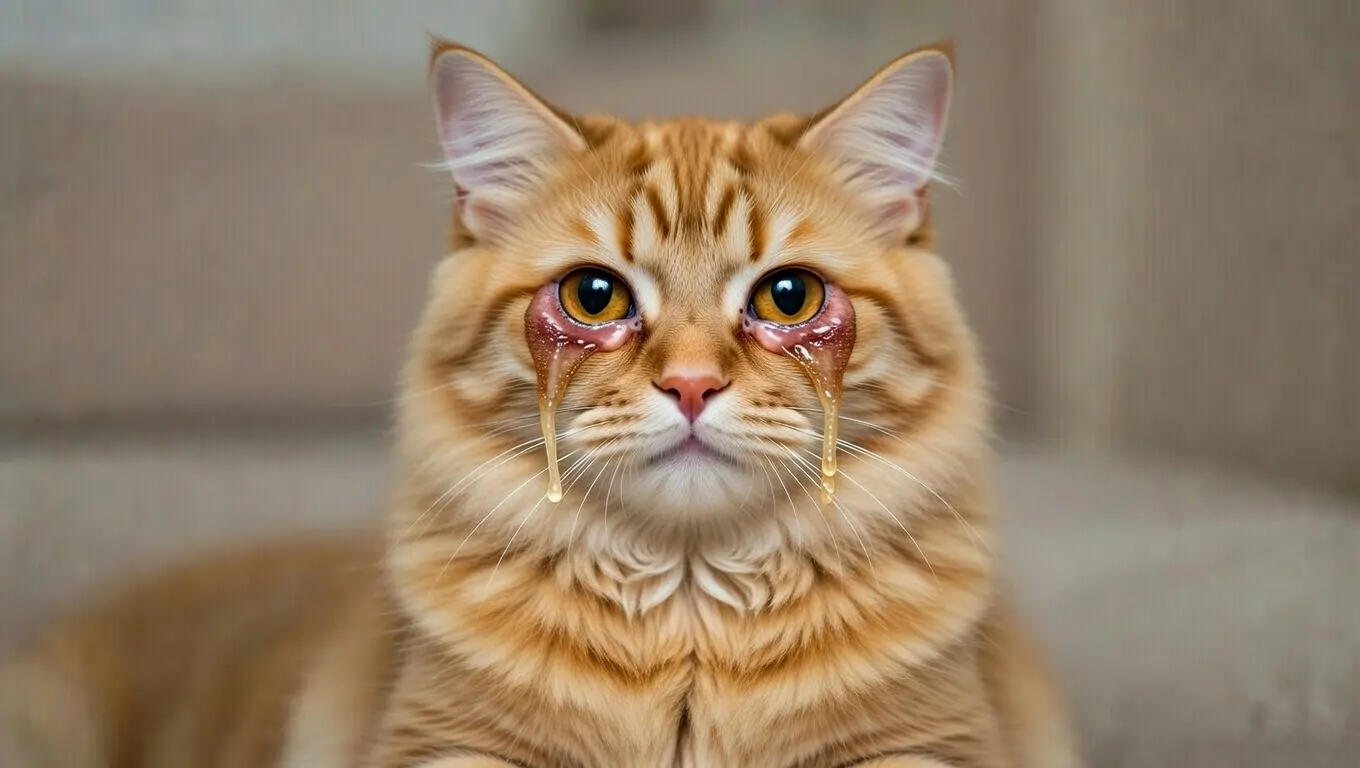
What is dry eye disease?
Dry eye disease, clinically known as keratoconjunctivitis sicca (KCS), is a common ophthalmic condition in dogs and cats where tear production or tear film quality is insufficient to maintain a healthy ocular surface.
Tears play a critical role in lubrication, nutrient delivery, immune defence and corneal clarity. When tear support is reduced, the eye becomes progressively vulnerable to inflammation, infection and irreversible surface damage.
Common signs of dry eye in pets
- Redness and chronic conjunctival irritation
- Thick or mucoid ocular discharge (often brownish or greenish)
- Frequent blinking, squinting or pawing at the eyes
- Dull, dry or hazy-looking corneal surface
- Reduced comfort in dry, dusty or windy environments
- Corneal pigmentation or cloudiness in moderate to advanced cases
- Recurrent superficial corneal ulcers in severe or untreated cases
Severity grading by Schirmer Tear Test
The Schirmer Tear Test (STT) is the primary diagnostic tool for grading KCS severity. Values below refer to the 1-minute STT reading in dogs.
| Grade | STT Result | Clinical Signs | Typical Management Approach |
|---|---|---|---|
| Mild | 10–15 mm/min | Occasional discharge, mild conjunctival redness, intermittent discomfort | Ocular lubricant 2–3× daily; monitor STT every 4–6 weeks |
| Moderate | 5–9 mm/min | Persistent mucoid discharge, corneal dullness, blepharospasm | Lubricant 4–5× daily + initiate immunomodulator (cyclosporine 0.2% or tacrolimus 0.03%) |
| Severe | < 5 mm/min | Corneal pigmentation, ulceration risk, significant pain and vision compromise | Lubricant Q2–3H (up to 6–8×/day) + aggressive immunomodulator therapy; consider specialist referral |
Normal STT in dogs: ≥ 15 mm/min. Feline reference values differ; consult a veterinary ophthalmologist for cat-specific interpretation.
Causes of dry eye in dogs and cats
- Immune-mediated lacrimal gland destruction (most common in dogs)
- Age-related decline in tear production
- Chronic conjunctivitis or anterior uveitis
- Feline herpesvirus-1 infection (cats)
- Neurogenic dry eye — trigeminal or facial nerve damage
- Drug-induced — sulphonamides, atropine, general anaesthesia
- Post third-eyelid surgery (gland excision)
- Congenital lacrimal gland hypoplasia
Breeds at higher risk
Certain breeds have a genetic predisposition to immune-mediated KCS. Early screening is recommended in these breeds, even before clinical signs appear.
Dogs
- West Highland White Terrier
- Cocker Spaniel (English & American)
- English Bulldog & French Bulldog
- Shih Tzu & Lhasa Apso
- Pug & Pekingese
- Yorkshire Terrier
- Cavalier King Charles Spaniel
- Bloodhound
Cats
- Persian
- Himalayan
- British Shorthair
- Burmese
Brachycephalic cats are predisposed due to anatomical eyelid conformation and reduced blink efficiency, which accelerates tear film evaporation.
How veterinarians diagnose dry eye
- Schirmer Tear Test (STT) — quantifies aqueous tear production; the single most important diagnostic test for KCS
- Fluorescein staining — identifies corneal ulceration, epithelial defects and tear film break-up time
- Rose bengal / lissamine green staining — highlights devitalised epithelial cells not visible with fluorescein
- Complete ophthalmic examination — assesses corneal clarity, conjunctival health, eyelid conformation and adnexal structures
Important: Chronic or untreated dry eye can lead to irreversible corneal damage including pigmentation, vascularisation, ulceration and permanent vision loss. Early diagnosis and consistent long-term management significantly improve comfort and visual outcomes.
Managing dry eye — treatment sequence
Dry eye management is layered. The sequence matters — lubricants provide immediate relief while immunomodulators address the underlying cause over weeks.
Ocular lubricants — immediate, first-line for all grades
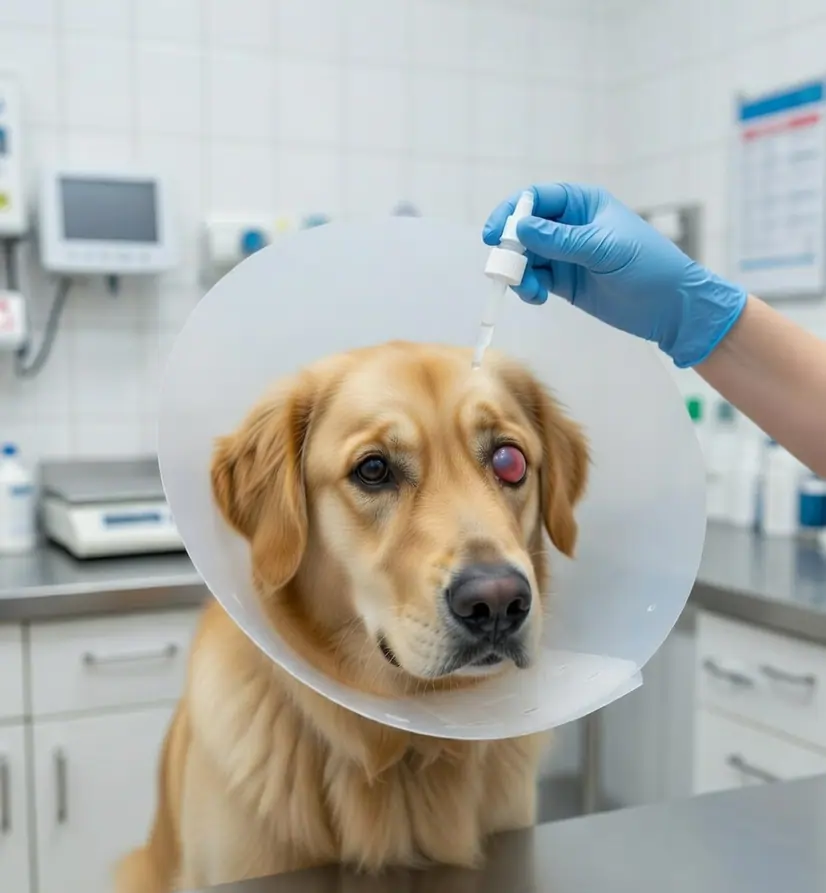
Tear substitutes such as sodium hyaluronate restore surface hydration, stabilise the tear film and protect the corneal epithelium. Begin at the first visit regardless of severity — they provide comfort while other treatments take effect.
Immunomodulatory therapy — for moderate to severe KCS
Cyclosporine 0.2% or tacrolimus 0.03% ophthalmic solutions stimulate natural tear secretion by suppressing immune-mediated destruction of the lacrimal gland. Expect a 4–8 week lag before a meaningful STT improvement is seen.
Antimicrobial / anti-inflammatory cover — where indicated
Secondary bacterial infection is common in KCS. Where corneal integrity has been confirmed (fluorescein-negative), a preservative-free antibiotic-steroid combination may be used short-term to control infection and inflammation. Topical steroids are contraindicated in active corneal ulceration.
Long-term monitoring and dose adjustment
Recheck STT at weeks 2, 4–6 and 3 months. Adjust lubricant frequency based on tear production response. Most dogs with immune-mediated KCS require lifelong therapy — do not discontinue treatment if STT normalises, as relapse is common.
Role of ocular lubricants in dry eye care
Sodium hyaluronate-based lubricants are particularly effective due to their viscoelastic properties, which mimic the mucin layer of the natural tear film, provide prolonged surface contact time and support epithelial healing. They are well-tolerated for long-term, high-frequency use — even in the most severe cases.
What to expect — prognosis and timeline
Prognosis depends on the underlying cause, severity at diagnosis, breed and compliance with long-term treatment.
Favourable outlook when:
Diagnosed early (STT >5 mm/min), treatment started promptly, owner compliance is good, and STT responds to immunomodulators within 8 weeks. Many mild–moderate cases stabilise well with consistent lubrication and maintain acceptable comfort long-term.
More guarded when:
STT < 5 mm/min at diagnosis, severe corneal pigmentation already present, breed predisposition (Westies, Bulldogs), bilateral involvement, or no response to immunomodulators after 8–12 weeks. Specialist referral is advisable in these cases.
Timeline to expect: Lubricants provide immediate comfort within hours. Immunomodulators typically show STT improvement at 4–6 weeks and maximum response at 3–4 months. Regular rechecks every 4–6 weeks in the first 3 months are strongly recommended.
Frequently Asked Questions
What is dry eye disease in dogs and cats?
Dry eye disease, also called keratoconjunctivitis sicca (KCS), is a condition where tear production or tear film quality is reduced, leading to ocular surface dryness, irritation and inflammation. It is one of the most common ophthalmic conditions seen in dogs.
What causes dry eye in dogs?
The most common cause in dogs is immune-mediated destruction of the lacrimal and nictitans glands. Other causes include sulphonamide drug toxicity, neurological damage (neurogenic KCS), herpesvirus infection, chronic conjunctivitis, third eyelid gland excision and congenital lacrimal hypoplasia.
Which dog breeds are most prone to dry eye?
Breeds with the highest reported prevalence include West Highland White Terrier, Cocker Spaniel, English Bulldog, Shih Tzu, Pug, Yorkshire Terrier, Cavalier King Charles Spaniel and Lhasa Apso. Brachycephalic breeds are additionally at risk due to poor eyelid closure and increased tear film evaporation.
Can cats get dry eye?
Yes, though it is less common than in dogs. Cats can develop dry eye secondary to feline herpesvirus-1 infection, chronic conjunctivitis, neurological causes or reduced tear film stability. Feline KCS may present more subtly — conjunctival hyperaemia and mild discharge may be the only signs initially.
How is dry eye diagnosed in pets?
The primary test is the Schirmer Tear Test (STT), which measures aqueous tear production in mm/min. A value below 15 mm/min in dogs is considered abnormal. Additional tests include fluorescein staining to identify corneal ulceration and a full ophthalmic examination to assess severity.
How long does it take for dry eye treatment to work?
Ocular lubricants provide immediate surface comfort. Immunomodulatory medications (cyclosporine or tacrolimus) typically take 4–8 weeks before a meaningful improvement in tear production is seen, and maximum effect may take 3–4 months. Regular STT rechecks help guide treatment adjustments.
Does dry eye require lifelong management?
In most cases, yes. Immune-mediated KCS rarely resolves completely — discontinuing treatment commonly leads to relapse even when STT has normalised. Long-term use of lubricants and immunomodulatory therapy is typically required, with routine 3–6 monthly monitoring visits.
Explore related eye care guidance
Disclaimer: This page is for general informational and educational purposes only. It does not replace professional veterinary diagnosis, examination or treatment. Always consult a qualified veterinarian before making health decisions for your pet. AlcoVet Healthcare assumes no liability for actions taken based on the content of this page.