
If you own a pet in India, parasites are not a possibility — they are a near-certainty at some point in your pet's life. India's warm, humid climate creates ideal breeding conditions for worms, fleas, ticks, and mites year-round. Add a large unvaccinated stray population, open drains, monsoon flooding, and the habit many pets have of sniffing and licking the ground, and the exposure risk becomes very high very quickly.
The good news is that parasites are among the most preventable health threats your pet faces. A consistent, veterinarian-guided deworming and parasite control programme costs relatively little and protects not just your pet, but your entire household — because several of the most common parasites in Indian pets are zoonotic, meaning they can and do infect humans, particularly young children.

Common Internal Parasites in India
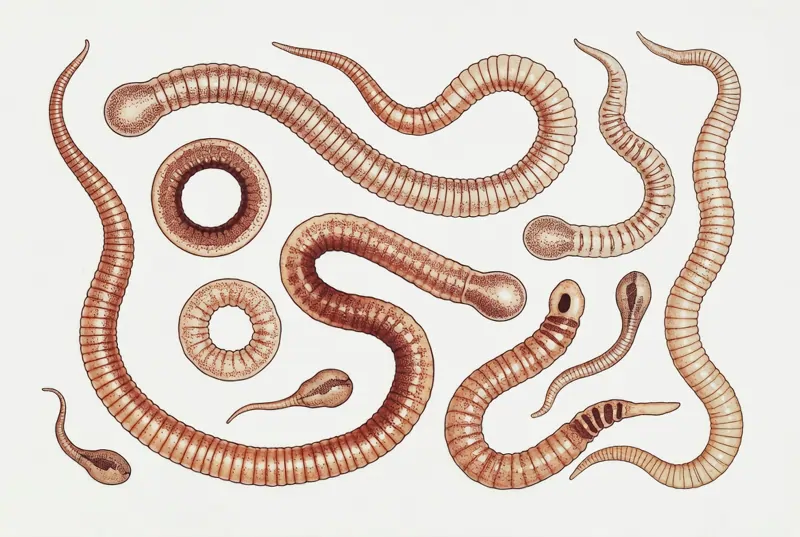
Internal parasites — collectively called helminths or worms — live inside the digestive tract, lungs, heart, or other organs. Many infections are entirely silent in the early stages, which is exactly why routine deworming matters even when your pet looks perfectly healthy. The following are the most commonly encountered in Indian dogs and cats:
🪱 Roundworms (Ascarids)
The most prevalent internal parasite in India, particularly in puppies and kittens. Transmitted through the mother's milk, contaminated soil, or ingestion of infected faeces. Heavy infestations cause a pot-bellied appearance, vomiting (sometimes with visible worms), diarrhoea, and poor growth. Roundworms are also the most common cause of visceral larva migrans in children — a serious zoonotic infection.
🩸 Hookworms
Blood-sucking worms that attach to the intestinal lining, causing anaemia, weakness, dark or bloody stools, and weight loss. Particularly dangerous in young puppies, where severe infestations can be rapidly fatal. Hookworm larvae can also penetrate human skin directly through contact with contaminated soil — causing cutaneous larva migrans, a condition seen frequently in barefoot children.
🍚 Tapeworms
Flat, segmented worms whose rice-grain-sized segments are often visible in the pet's faeces or around the tail area. The most common route of infection in India is through ingestion of infected fleas during grooming — making flea control and tapeworm treatment inseparable priorities. Some species are acquired through eating raw or undercooked meat.
🔩 Whipworms
More common in dogs than cats, whipworms embed in the large intestine and cause chronic, intermittent diarrhoea — often mucoid or bloody — alongside weight loss and dehydration. Because they lay fewer eggs than roundworms, they can be difficult to detect on routine faecal testing and may require multiple samples or specific diagnostic techniques.
🦟 Heartworms
Transmitted by mosquitoes, heartworms (Dirofilaria immitis) migrate to and live in the heart and pulmonary arteries. Infection progresses silently for months before causing coughing, exercise intolerance, respiratory distress, and in advanced cases, heart failure. Heartworm disease is present in India, particularly in coastal and wetland-adjacent areas. Monthly preventive medication is far easier and less expensive than treating an established infection.
Common External Parasites
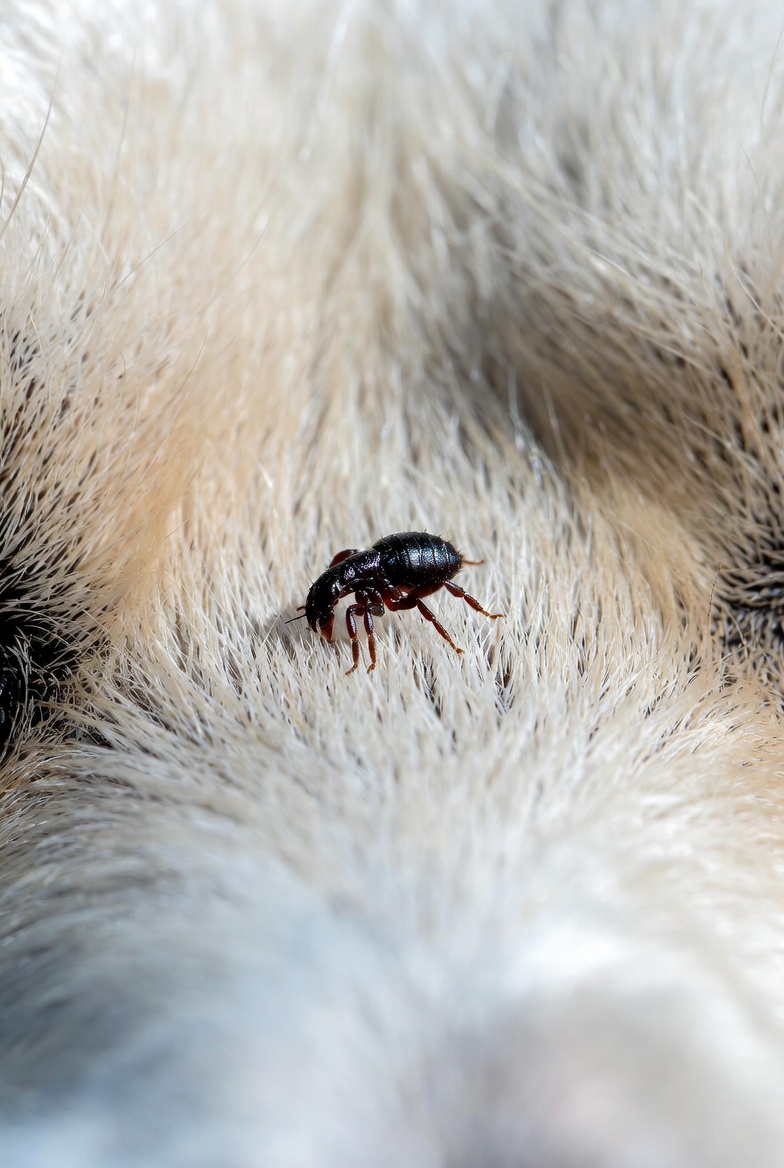
External parasites live on the skin, fur, or ears of your pet. Beyond the obvious discomfort they cause, many are vectors for serious secondary diseases — particularly ticks, which transmit some of the most dangerous infections seen in Indian dogs.
Fleas
Extremely common year-round in India. Cause intense itching, flea allergy dermatitis (FAD), anaemia in severe infestations, and are the primary vector for tapeworm transmission. A single female flea can lay up to 50 eggs per day — meaning a small problem escalates into an infestation within days if untreated.
Ticks
Brown dog ticks (Rhipicephalus sanguineus) are endemic across India. They transmit babesiosis, ehrlichiosis, and anaplasmosis — potentially fatal diseases. Ticks are active year-round in most Indian states, with peak activity during and after the monsoon. See our dedicated Tick-Borne Diseases guide for detailed information.
Mites
Several mite species affect Indian pets. Ear mites cause head shaking, dark crumbly discharge, and intense ear scratching. Sarcoptic mange (scabies) causes severe, contagious itching and is transmissible to humans. Demodectic mange, caused by Demodex mites, is associated with immune suppression and can be difficult to treat.
Lice
Less common than fleas or ticks but seen in pets with poor nutrition or immune compromise. Cause irritation, hair loss, and restlessness. Lice are species-specific — dog lice cannot infect humans or cats, and vice versa.
Warning Signs of Parasite Infestation
Many parasitic infections produce subtle or delayed signs. The following symptoms should prompt a veterinary visit and parasite testing, even if your pet is on a routine deworming schedule:
- Visible worms or segments in the faeces, vomit, or around the tail/anus
- Chronic or intermittent diarrhoea, particularly if mucoid, bloody, or resistant to dietary change
- Unexplained weight loss despite a good appetite
- Pot-bellied appearance in puppies or kittens — a classic sign of heavy roundworm burden
- Pale gums — a sign of anaemia from blood-sucking parasites like hookworms or heavy flea infestation
- Persistent itching, scratching, or hair loss — particularly around the ears, face, and belly
- Scooting (dragging the bottom along the floor) — often indicates tapeworm segments or anal irritation
- Coughing or exercise intolerance — possible signs of heartworm or lungworm disease
- Head shaking and dark ear discharge — ear mites or secondary ear infection from mite infestation
Recommended Deworming Schedule
There is no single universal deworming schedule suitable for every pet. Your veterinarian will tailor the frequency based on your pet's age, lifestyle, diet, and local parasite risk. The following table reflects standard veterinary guidelines used across India:
| Life Stage | Frequency | Notes |
|---|---|---|
| Puppies & Kittens (2–12 weeks) | Every 2 weeks | Roundworm and hookworm burden is highest at this age; treatment cannot wait for symptoms |
| Puppies & Kittens (3–6 months) | Monthly | Continue until 6 months; combine with first vaccination visits for convenience |
| Adults — Low Risk (indoor, no raw meat) | Every 3–6 months | Minimum baseline; faecal testing once yearly to confirm |
| Adults — High Risk (outdoor, raw diet, stray contact) | Every 1–3 months | More frequent treatment required; vet guidance essential |
| Pregnant & Nursing Females | As directed by vet | Specific safe medications required; prevents transmission to offspring via milk |
| Senior Pets (7+ years) | Every 3 months | Immune changes with age increase vulnerability; more frequent monitoring advised |
External Parasite Prevention
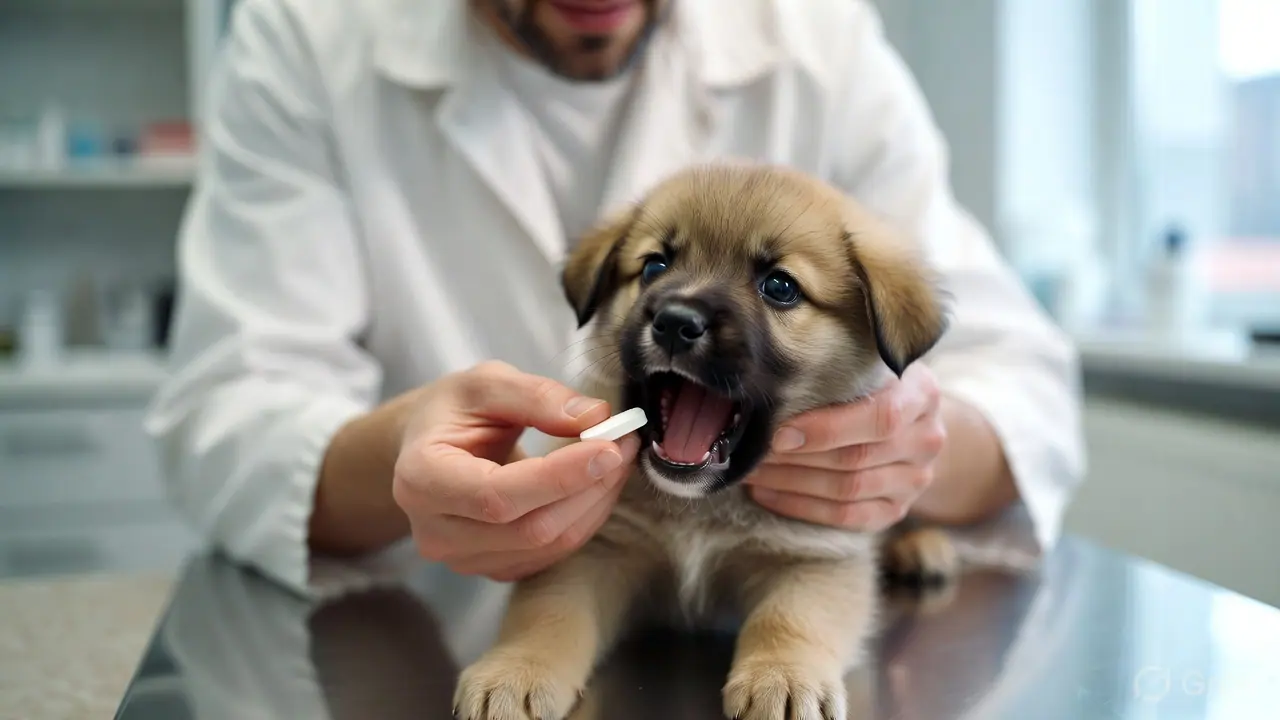
Unlike internal parasites, which are addressed primarily through periodic deworming, external parasite control requires continuous, year-round prevention in India. Stopping treatment during the "cooler" months is a common mistake — fleas and ticks remain active and can reinfest within weeks of stopping prevention.
Choosing the Right Prevention Method
Several effective options are available through veterinary clinics across India. The best choice depends on your pet's size, lifestyle, and your household's preferences:
- Spot-on treatments — Applied monthly to the skin between the shoulder blades. Highly effective against fleas, ticks, and some mites. Brands like Frontline, Fiprofort, and Bravecto Spot-on are widely available through Indian vet clinics.
- Oral tablets (isoxazolines) — Monthly or 3-monthly chewable tablets (e.g., Bravecto, NexGard) provide systemic protection against fleas and ticks. Highly convenient and cannot be washed off.
- Anti-parasite collars — Provide up to 8 months of continuous flea and tick protection. Useful for dogs that swim or bathe frequently. Ensure the collar fits correctly — two fingers should fit under it comfortably.
- Regular grooming and coat checks — Run a fine-toothed flea comb through your pet's coat weekly, paying attention to the neck, groin, and between the toes where ticks prefer to attach.
- Environment treatment — Fleas spend 95% of their lifecycle off the pet, in carpets, bedding, and furniture. Wash pet bedding weekly at 60°C and treat the home environment with a veterinarian-recommended spray if an infestation is confirmed.
- Tick removal — If you find an attached tick, remove it with fine-tipped tweezers or a tick removal tool, grasping as close to the skin as possible and pulling steadily upward. Never twist, squeeze, or apply petroleum jelly — this can cause the tick to release more saliva into the wound.
Zoonotic Risks — Protecting Your Family
Parasites that can infect humans
Roundworms, hookworms, certain tapeworm species, and sarcoptic mange mites can all cross from pets to people. Children who play barefoot in gardens, sandpits, or areas where pets defecate are at highest risk. Regular pet deworming, prompt faeces disposal, and basic hand hygiene after handling pets or their environment are the most effective protective measures.
Toxocara canis (dog roundworm) is the most common zoonotic worm infection in Indian children, often causing visceral larva migrans — a condition where the larvae migrate through the body, potentially reaching the eyes and causing vision impairment. This risk is entirely preventable through routine pet deworming and maintaining clean play areas.
Cutaneous larva migrans from hookworm larvae is also commonly seen in India, particularly in coastal states where children play on sandy beaches or soil frequented by strays. Red, intensely itchy, winding tracks on the skin are the hallmark sign — treatable with medication but entirely preventable by controlling parasites in the household pet population.
Natural Remedies vs Veterinary Products
Home remedies for pet parasites are widely shared in Indian pet owner communities — pumpkin seeds, diatomaceous earth, garlic, and neem oil are among the most common suggestions. While some have mild activity against certain parasites, none has been demonstrated in controlled studies to provide reliable, complete protection comparable to licensed veterinary products.
The practical concern is this: an undertreated parasitic infection does not stay static. Hookworms that are not eliminated continue to cause blood loss. A tapeworm not fully cleared continues to develop. Relying on unproven remedies during this window risks the pet's health and delays effective treatment. Use natural approaches as wellness supplements if you wish, but always use proven veterinary antiparasitic medication as the foundation of your programme.
When to Consult Your Veterinarian
While routine deworming can be maintained at home using veterinary-approved products, the following situations always warrant a professional consultation:
- You are starting a deworming programme for the first time and need guidance on product selection and dosing
- Symptoms persist or worsen despite deworming — a sign the wrong worm type is being targeted, or that a secondary condition is present
- You have a pregnant or nursing female, or a very young puppy or kitten where safe medication selection is critical
- You notice visible worms that are large, numerous, or unusual in appearance
- Your pet is showing signs of anaemia, significant weight loss, or respiratory symptoms
- You want to confirm parasite status through faecal flotation or blood testing before treatment
Conclusion
Parasite prevention is not a one-time event — it is a year-round commitment that pays dividends in your pet's health, your family's safety, and your veterinary bills over the long term. In India's climate, the question is rarely whether your pet will encounter parasites, but whether you are prepared when they do.
A simple, consistent programme — scheduled deworming, continuous external parasite control, annual faecal testing, and routine vet check-ups — is all it takes. Build it into your calendar, stay consistent, and your pet will be far healthier for it.
Related Guides
This content is provided for educational purposes only and is not a substitute for professional veterinary advice, diagnosis, or treatment. Parasite control products differ significantly in their safety profiles for different species, ages, and health conditions. Always consult your registered veterinarian before starting or changing any deworming or parasite prevention programme.