
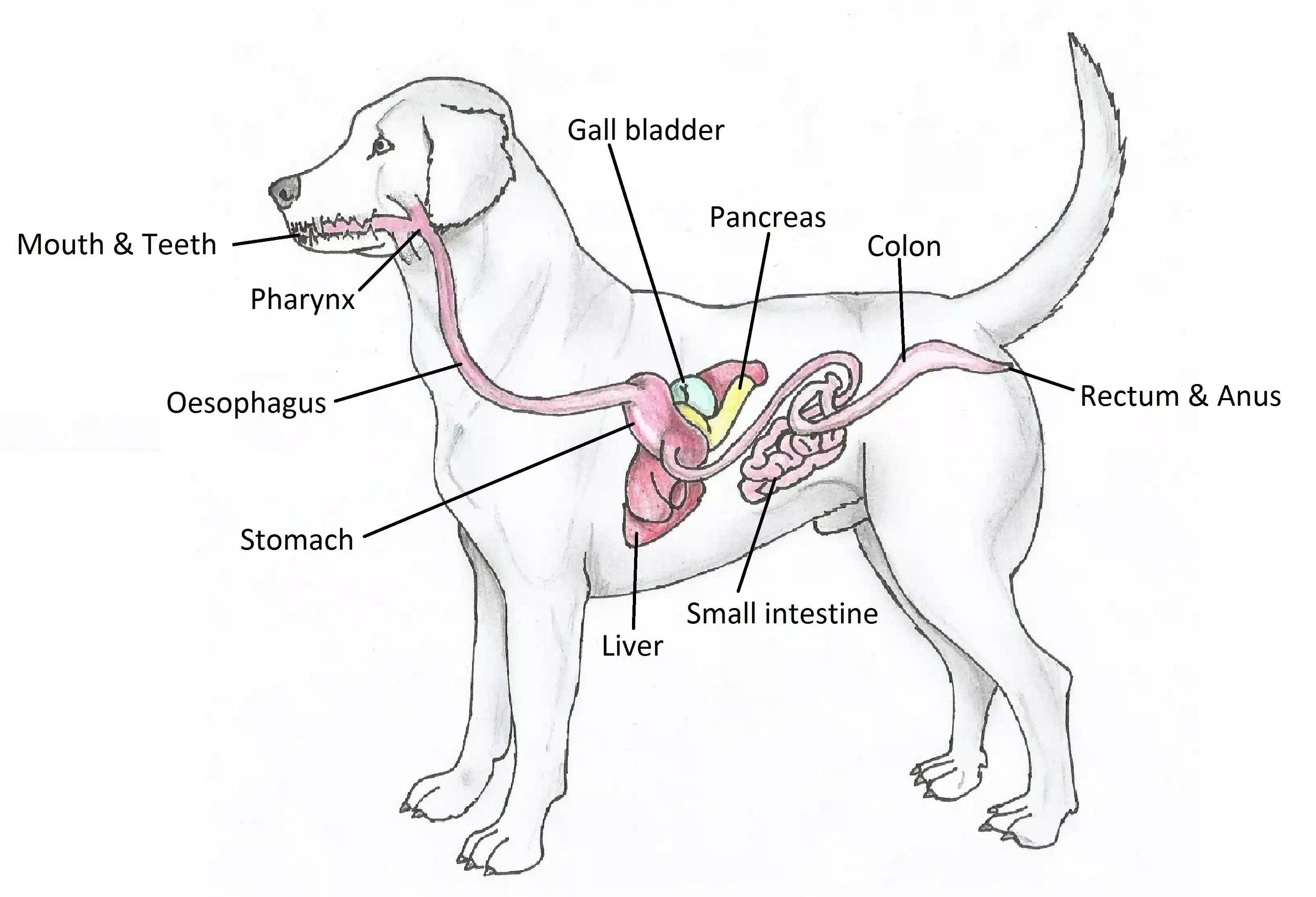
The gastrointestinal tract is not simply a food-processing tube — it houses approximately 70% of the body's immune tissue, regulates nutrient absorption, produces hormones that affect mood and appetite, and maintains a complex microbial ecosystem that is central to overall health. When the gut is disrupted, the effects ripple outward: energy drops, immunity falters, coat quality declines, and the pet becomes visibly unwell.
Digestive problems are the most common reason for veterinary visits in India — and for good reason. Dietary indiscretion (scavenging, table scraps, bones), food contamination, a heavy parasite burden, bacterial infections from contaminated water, and the monsoon-driven explosion in gut pathogens all converge to make the Indian pet's digestive system one of the most frequently challenged organ systems in their body. Understanding what is happening and when to act is one of the most practical skills a pet owner can develop.
Common Digestive Conditions in Indian Pets
💧 Diarrhoea
The most frequent digestive complaint across all ages and breeds. Can be acute (sudden onset, usually self-limiting) or chronic (persisting beyond 3 weeks, indicating underlying disease). Causes range from simple dietary change or stress to viral enteritis, bacterial infection, parasites, IBD, and organ disease. Dehydration is the primary danger — small breeds, puppies, and kittens can deteriorate very rapidly.
🤢 Vomiting
Occasional vomiting — particularly of grass or undigested food — can be normal in dogs. Repeated vomiting, bile vomiting (yellow fluid on an empty stomach), vomiting with blood, or vomiting combined with lethargy and anorexia indicates a significant problem. Causes include gastritis, dietary indiscretion, pancreatitis, foreign body obstruction, toxin ingestion, parvovirus, and metabolic diseases (kidney failure, liver disease).
🔩 Constipation
Infrequent, difficult, or absent bowel movements. Common causes include inadequate water intake, low-fibre diet, excessive bone consumption (produces firm, chalky stools), lack of exercise, perianal disease, and in older male dogs — an enlarged prostate gland compressing the colon. Cats with megacolon (chronic colonic dilation) may require lifelong management. Prolonged constipation can lead to obstipation — a complete and potentially life-threatening blockage.
⚡ Bloat / GDV
Gastric dilatation-volvulus (GDV) is a true emergency occurring predominantly in large, deep-chested dogs — Great Danes, German Shepherds, Labradors, Dobermans. The stomach fills with gas and rotates on its axis, cutting off blood supply. Signs include unproductive retching, a visibly distended abdomen, drooling, restlessness, and rapid deterioration to collapse. GDV is fatal within hours without emergency surgery. Do not wait to see if it resolves.
🔄 Inflammatory Bowel Disease (IBD)
A chronic condition in which the intestinal wall is infiltrated by inflammatory cells, disrupting normal absorption and motility. Signs include intermittent or chronic vomiting, diarrhoea, weight loss despite a normal or increased appetite, and poor coat quality. IBD requires biopsy for definitive diagnosis. Management typically involves dietary modification (hydrolysed or novel protein diet), corticosteroids or immunosuppressants, and sometimes cobalamin (B12) supplementation.
🪱 Parasitic Gastroenteritis
Roundworms, hookworms, whipworms, tapeworms, Giardia, and Cryptosporidium all cause digestive upset in Indian pets. Giardia in particular is extremely common and frequently misdiagnosed — it causes intermittent, pale, greasy, foul-smelling stools. Many parasites are not detected by routine faecal testing and require specific antigen tests or PCR. See our dedicated Deworming & Parasite Prevention guide for full protocols.
Reading Your Pet's Diarrhoea — Small vs Large Intestine
The character of the diarrhoea gives important diagnostic clues about which part of the gut is affected. Describing this accurately to your veterinarian helps them narrow down the cause quickly:
| Feature | Small Intestinal | Large Intestinal (Colitis) |
|---|---|---|
| Volume per episode | Large | Small, frequent |
| Blood | Dark (digested) — melaena | Fresh red blood or mucus |
| Urgency | Moderate | High — difficult to hold |
| Straining | Uncommon | Common (tenesmus) |
| Vomiting | Often present | Less common |
| Weight loss | Common if chronic | Less common |
| Common causes (India) | Parvovirus, parasites, dietary indiscretion, IBD | Stress colitis, Giardia, trichuriasis (whipworm), colonic IBD |
Warning Signs That Need Veterinary Attention
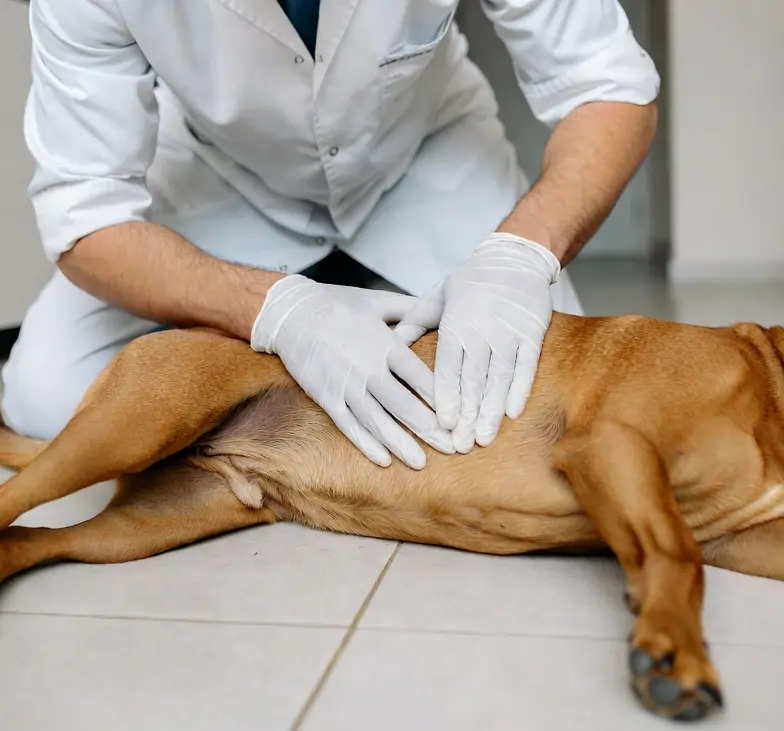
Single mild episodes of vomiting or loose stools often resolve without intervention. The following signs indicate the problem has moved beyond home management:
Probiotics, Electrolytes & Supportive Care
When a pet has diarrhoea or vomiting, two things happen simultaneously: the gut microbiome is disrupted — beneficial bacteria are depleted while harmful bacteria may proliferate — and the body rapidly loses fluid and electrolytes. Addressing both of these in parallel is the basis of effective supportive care.
Veterinary Probiotics
Species-specific probiotic preparations containing Lactobacillus, Enterococcus, or Bacillus strains can shorten the duration of acute diarrhoea and help restore microbial balance after antibiotic treatment. Human probiotics contain different bacterial strains and are not equivalent. Use only products labelled for dogs or cats and consult your vet for the appropriate indication.
Oral Electrolyte Solutions
Veterinary oral rehydration solutions replace sodium, potassium, and chloride lost through vomiting and diarrhoea. Never use human ORS, sports drinks, or coconut water — these contain inappropriate sugar concentrations and may worsen diarrhoea. For mild dehydration, oral electrolytes may be sufficient; moderate to severe dehydration requires IV fluids at the clinic.
Bland Diet Protocol
During acute digestive upset, a brief period of easily digestible food reduces the digestive workload. Boiled plain chicken (no skin, no seasoning) with boiled white rice — approximately 1 part chicken to 3 parts rice — given in small, frequent meals is commonly recommended. Introduce regular food gradually over 3–5 days once stools normalise.
Hydration Monitoring
Ensure fresh water is available at all times during illness. If your pet refuses to drink, offer small amounts of diluted chicken broth (no onion, no salt) to encourage fluid intake. Check hydration status by lifting a skin fold at the scruff — it should return to flat within 1–2 seconds. A slow return indicates dehydration.
Safe Diet Transitions — The 10-Day Rule
Sudden diet changes are one of the most common and entirely preventable causes of digestive upset in Indian pets. The intestinal microbiome and digestive enzyme profile adapt to the current diet over time — abrupt switching disrupts this adaptation, causing diarrhoea in even the healthiest gut. Whether you are switching brands, changing food types, or moving from a commercial to a homemade diet, the following transition schedule prevents most diet-related digestive upsets:
-
1
Days 1–3: 75% old food + 25% new food. Mix thoroughly so the pet cannot selectively eat only what they prefer. Watch stool consistency — any change is a signal to slow down.
-
2
Days 4–6: 50% old food + 50% new food. This is the stage where most reactions occur if there is a food intolerance. If stools loosen, return to Day 1–3 ratio for 2–3 more days before proceeding.
-
3
Days 7–8: 25% old food + 75% new food. Stools should be well-formed and consistent. If any vomiting, diarrhoea, or reduced appetite persists, the new food may not suit this particular pet — consult your veterinarian.
-
4
Days 9–10: 100% new food. Continue monitoring stool quality for one additional week. Occasional variation in stool firmness is normal; persistent loose stools are not.
Frequently Asked Questions
What causes diarrhoea in dogs and cats?
Common causes include sudden diet changes, dietary indiscretion (scavenging, bones, table scraps), parasitic infections (roundworms, Giardia, whipworms), bacterial gastroenteritis, viral diseases (parvovirus in dogs, panleukopenia in cats), stress, food intolerance, and underlying conditions such as IBD or pancreatitis. The character of the diarrhoea — volume, blood, frequency — points toward whether the small intestine or large intestine is involved and helps narrow the cause.
Is it safe to give my pet human oral electrolyte solutions?
No. Human ORS and sports drinks contain glucose and flavouring concentrations that can worsen osmotic diarrhoea in pets. Some flavoured drinks contain xylitol, which is toxic to dogs. Always use veterinary-formulated oral electrolyte preparations. In a genuine emergency with no veterinary product available, plain water is safer than a human ORS.
Are probiotics safe for dogs and cats?
Veterinary-formulated probiotics are safe and can benefit gut recovery after antibiotics, during dietary transitions, and in managing recurring diarrhoea. Human probiotics contain bacterial strains developed for human gut ecology — they are not the same species used in veterinary preparations and their benefit in pets has not been established. Always select a product specifically formulated and labelled for dogs or cats.
My dog vomits yellow foam in the morning — is this normal?
Morning bile vomiting — usually a small amount of yellow or greenish fluid on an empty stomach — is relatively common in dogs and often indicates bilious vomiting syndrome, caused by stomach acid and bile irritating an empty stomach overnight. Feeding a small meal at bedtime frequently resolves it. However, if it is frequent, accompanied by weight loss, or occurs at other times of day, it warrants a veterinary check to rule out underlying gastric or hepatic disease.
Conclusion
The digestive system is the most frequently disrupted organ system in Indian pets — and also one of the most responsive to good management. Most acute digestive problems resolve quickly with appropriate supportive care: rest, a bland diet, oral hydration, and where indicated, veterinary-prescribed medication. The key skill is distinguishing between a self-limiting upset that can be managed at home for 24 hours and a situation that requires same-day professional attention.
Prevention remains the most effective strategy: consistent parasite control, avoiding sudden diet changes, not feeding table scraps or bones, ensuring clean fresh water, and maintaining regular veterinary check-ups that include faecal parasite testing. These habits eliminate the majority of digestive problems before they ever develop — and that is far better than treating them after the fact.
Related Guides
This content is provided for educational purposes only and is not a substitute for professional veterinary advice, diagnosis, or treatment. Never administer human medications to pets without veterinary guidance. If your pet shows signs of severe dehydration, unproductive retching, abdominal distension, or bloody vomiting or diarrhoea, seek emergency veterinary care immediately.