
Feline lower urinary tract disease (FLUTD) is one of the most common reasons cats are presented for emergency veterinary care in India — and one of the most preventable with proper understanding and management. FLUTD is not a single disease but an umbrella term for any condition affecting the bladder or urethra of cats, producing characteristic clinical signs: straining to urinate, blood in urine, frequent trips to the litter box with little or no urine produced, urinating outside the box, and vocalization during urination due to pain.
What makes FLUTD particularly dangerous is the risk of urethral obstruction — complete blockage of the urethra by crystals, mucus plugs, or stones. This occurs almost exclusively in male cats due to their narrower, longer urethra. A blocked cat cannot urinate at all; waste products (urea, creatinine) and potassium accumulate in the bloodstream, causing acute kidney injury and life-threatening hyperkalaemia (elevated blood potassium) that leads to cardiac arrhythmias and death within 24–72 hours if untreated. Urinary obstruction is a true veterinary emergency — delay of even 12 hours significantly increases mortality risk.
In India, FLUTD prevalence is climbing as cat ownership urbanizes. Indoor confinement, dry-food-only diets, poor water quality, stress from multi-cat households and noise pollution, inadequate litter box hygiene, and breed predispositions (Persians, Himalayans) all contribute to high disease rates. This guide provides the knowledge you need to recognize FLUTD early, understand when it becomes life-threatening, and implement proven prevention strategies that dramatically reduce recurrence risk.
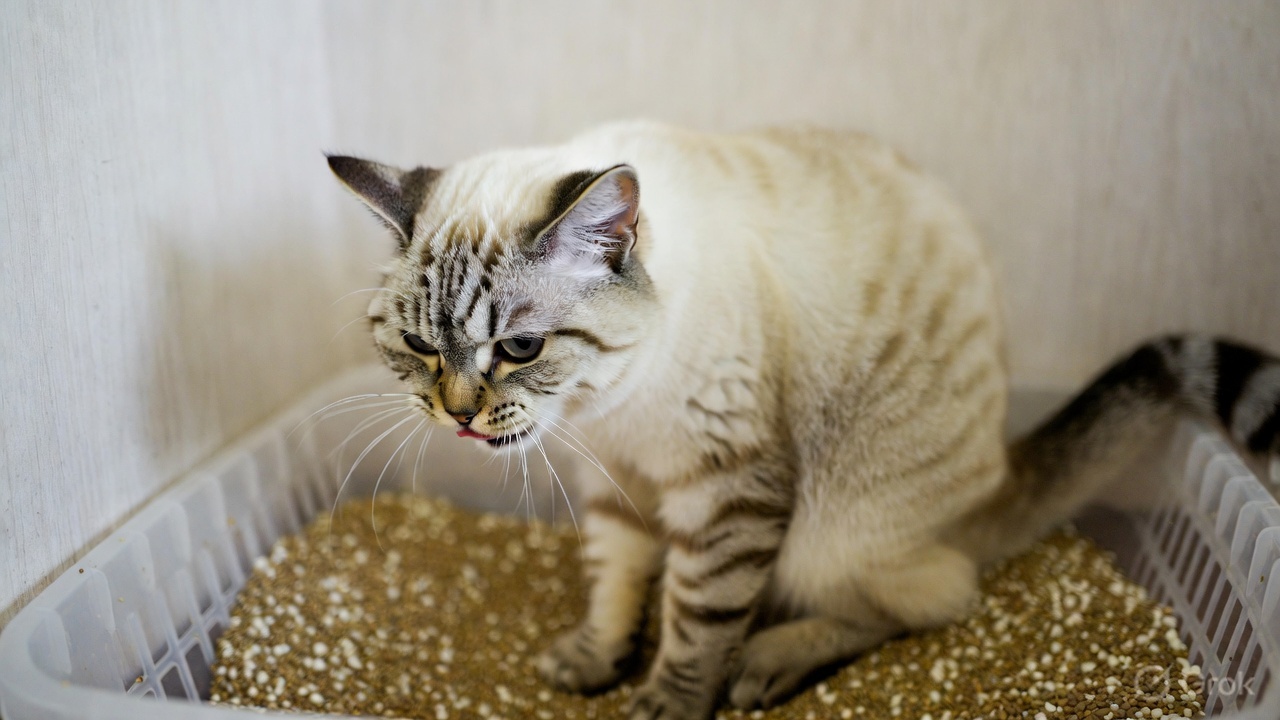
What Is FLUTD? — Understanding the Disease Umbrella
FLUTD encompasses multiple underlying causes that produce similar clinical signs. Accurate diagnosis requires veterinary examination, urinalysis, imaging (radiographs or ultrasound), and sometimes cystoscopy or biopsy. The major FLUTD categories:
Urinary Crystals (Struvite or Oxalate)
Microscopic mineral crystals form in urine due to diet, urine pH, and hydration status. Can aggregate into stones or combine with mucus to form urethral plugs causing obstruction. Most common in young to middle-aged cats.
Uroliths (Bladder Stones)
Macroscopic stones formed from aggregated crystals. Struvite stones can sometimes dissolve with diet; calcium oxalate stones require surgical removal. Stones mechanically irritate bladder lining causing inflammation and haematuria (bloody urine).
Bacterial Urinary Tract Infection (UTI)
Rare in young healthy cats; more common in senior cats (>10 years), diabetic cats, or those with chronic kidney disease. Bacteria ascend urethra into bladder causing cystitis. Requires antibiotic treatment based on urine culture.
Feline Idiopathic Cystitis (FIC)
Most common cause. "Idiopathic" means unknown cause. Sterile (non-bacterial) inflammation of bladder wall strongly linked to stress, neurogenic inflammation, and defective bladder lining (glycosaminoglycan layer). Resembles interstitial cystitis in humans. No crystals, stones, or infection present.
Urinary Obstruction — Life-Threatening Emergency
Urethral obstruction is the most urgent FLUTD complication. It occurs when crystals, stones, inflammatory debris (cells, protein, mucus), or spasm of the urethral sphincter completely block urine outflow. Male cats are at 95%+ of obstruction cases due to anatomical differences: the male urethra is 10–12 cm long with a narrow diameter (especially at the os penis, a small bone in the penis tip) compared to the female urethra which is 1–2 cm long and much wider.
Pathophysiology of Obstruction — The 24–72 Hour Death Spiral
Once the urethra is completely blocked, urine cannot exit the bladder. The bladder distends painfully as urine continues to be produced by the kidneys. Within 12–24 hours:
- Post-renal acute kidney injury: Backpressure from the distended bladder prevents kidney filtration. Glomerular filtration rate (GFR) drops to near-zero. Waste products (urea, creatinine) accumulate in blood (azotemia).
- Hyperkalaemia (elevated blood potassium): Normally kidneys excrete excess potassium in urine. When kidneys cannot excrete, potassium rises rapidly. Hyperkalaemia is the primary cause of death in blocked cats — elevated potassium causes cardiac conduction abnormalities, bradycardia (slow heart rate), and ventricular arrhythmias leading to cardiac arrest.
- Metabolic acidosis: Inability to excrete hydrogen ions causes blood pH to drop. Acidosis worsens hyperkalaemia by shifting potassium out of cells into blood.
- Uraemic toxins: Accumulated urea and other toxins cause nausea, vomiting, anorexia, and depression.
Timeline to death: Most blocked cats die within 48–72 hours without treatment. Some deteriorate faster — within 24 hours if hyperkalaemia is severe. The only treatment is emergency urethral catheterization to relieve obstruction, followed by hospitalization with IV fluids to correct electrolyte imbalances and support kidney function.
Signs of Urinary Obstruction — Recognize and Act
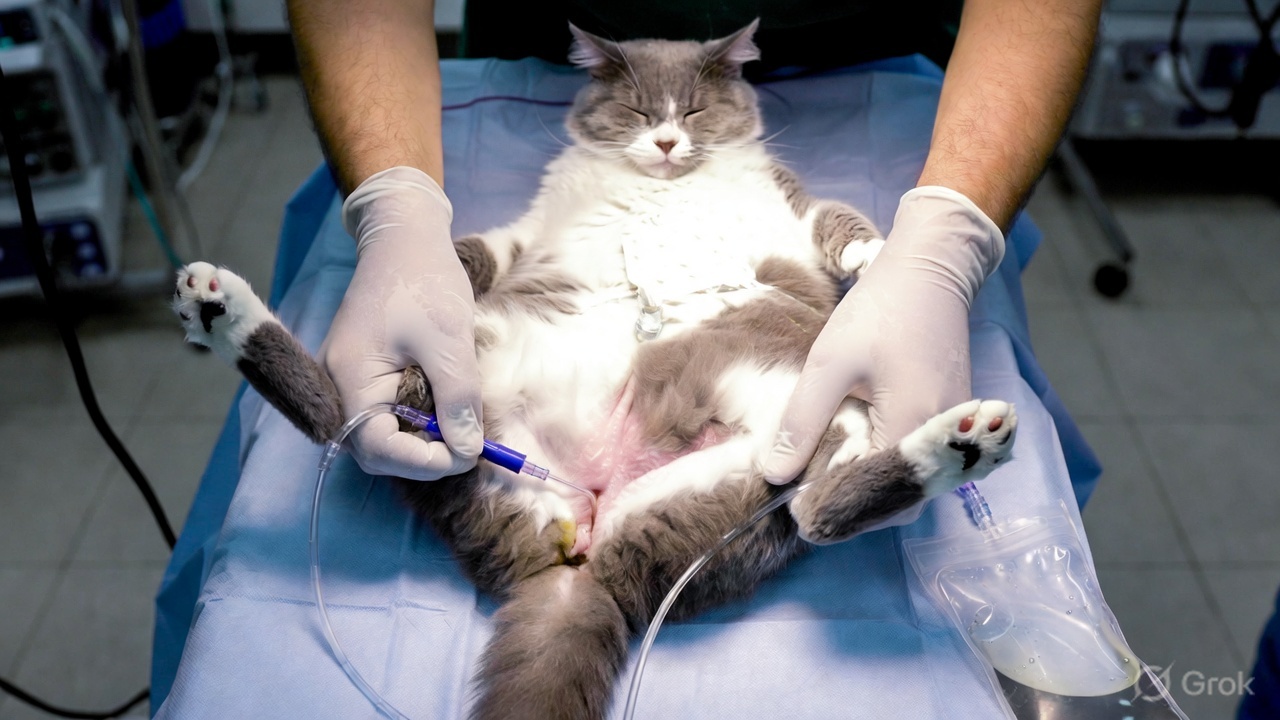
Non-Obstructive FLUTD — Still Serious, Not Immediately Life-Threatening
Female cats and some male cats experience FLUTD symptoms without complete obstruction. These signs still require veterinary care within 24–48 hours but are not immediately fatal:
- Frequent urination of small amounts (pollakiuria): Cat urinates many times per day, producing small dribbles each time. Bladder is irritated and never feels fully empty.
- Haematuria (blood in urine): Urine is pink, red, or contains visible blood clots. Indicates bladder inflammation, crystals scraping bladder lining, or stones.
- Dysuria (painful urination): Cat cries or vocalizes while urinating. May associate litter box with pain and begin avoiding it.
- Periuria (urinating outside litter box): Inappropriate urination on floors, furniture, bathtubs, sinks. Cat seeks cool or smooth surfaces to relieve discomfort. This is a medical problem, not a behavioural one — do not punish.
- Excessive licking of genital area: Attempts to soothe urethral irritation. Fur around genitals may be stained pink/red from blood.
- Straining with small urine production: Unlike obstruction where no urine is produced, non-obstructive FLUTD cats still produce urine — just small, painful amounts.
Understanding Urinary Crystals — Struvite vs. Calcium Oxalate
Crystals form in urine when mineral concentrations exceed solubility limits. The two most common crystal types in cats have opposite pH requirements and require opposite dietary strategies — this is why urinalysis is essential before treatment.
Struvite (Magnesium Ammonium Phosphate)
Urine pH requirement: Alkaline urine (pH >7.0). Struvite dissolves in acidic urine.
Prevalence: More common in younger cats (<7 years). Accounts for ~40% of feline crystals/stones.
Diet strategy:
- Urinary acidification (target pH 6.0–6.5)
- Magnesium restriction
- High moisture (wet food, water supplementation)
- Prescription diets: Hill's c/d, Royal Canin Urinary S/O
Dissolution potential: Struvite stones can dissolve with dietary management in 3–6 weeks. Surgery rarely needed.
Calcium Oxalate
Urine pH requirement: Acidic urine (pH <6.5). Oxalate dissolves in alkaline urine (but overshooting causes struvite — balance is critical).
Prevalence: More common in older cats (>7 years) and certain breeds (Persians, Himalayans, Ragdolls). Accounts for ~40% of feline crystals/stones.
Diet strategy:
- Avoid excessive urinary acidification
- Reduce dietary calcium and oxalate precursors
- High moisture
- Prescription diets: Royal Canin Urinary S/O, Hill's c/d Multicare
Dissolution potential: Calcium oxalate stones cannot dissolve with diet. Require surgical removal (cystotomy) or newer techniques like laser lithotripsy.
Feline Idiopathic Cystitis (FIC) — The Stress-Disease Connection
FIC is the most common cause of FLUTD (50–60% of cases) and the most frustrating — there are no crystals, no stones, no infection, yet the cat has severe, painful bladder inflammation with haematuria and dysuria. FIC is now understood as a neuro-inflammatory disorder: chronic stress causes abnormal activation of the sympathetic nervous system and release of substance P (a pain neurotransmitter) in the bladder wall, leading to sterile inflammation, defective glycosaminoglycan (GAG) bladder lining, and neurogenic pain amplification.
FIC triggers (proven in research):
- Environmental stress: Multi-cat conflict, inadequate resources (litter boxes, food bowls, hiding spots), loud noise (traffic, construction, fireworks), sudden household changes (moving, new pet, new baby).
- Litter box aversion: Dirty boxes, wrong litter type, box in high-traffic area, box too small, covered boxes (most cats dislike).
- Indoor confinement without enrichment: Boredom, lack of predatory outlets, no vertical space (cat trees, shelves).
- Dehydration: Dry-food-only diets, poor water availability.
- Breed predisposition: Persians, Himalayans, and other flat-faced breeds have higher FIC rates (unknown mechanism — possibly linked to neurological differences).
FIC Management — Multimodal Environmental Modification (MEMO)
FIC has no cure but can be managed long-term with environmental changes that reduce stress:
- 1Increase water intake dramatically — wet food + water supplementation. Dilute urine reduces bladder irritation. Feed 100% wet food if possible. Add water or low-sodium broth to wet food. Provide multiple water stations (ceramic bowls, water fountains — many cats prefer moving water). Target urine specific gravity <1.035.
- 2Optimize litter boxes — more boxes, daily cleaning, unscented litter. Rule: N+1 boxes (if you have 2 cats, provide 3 boxes) in separate locations. Scoop daily, dump and wash weekly. Use unscented clumping litter (most cat preference). Large, uncovered boxes. Place in quiet, accessible locations.
- 3Environmental enrichment — vertical space, play, predictability. Install cat trees, shelves, window perches. Daily interactive play (15–20 minutes, 2x per day) with feather wands or laser pointers. Rotate toys weekly. Establish predictable routines for feeding and play — cats are calmed by consistency.
- 4Multi-cat conflict resolution — separate resources, pheromones. If cats are fighting or one is bullying another at food/water/litter, separate resources spatially. Use Feliway (synthetic feline facial pheromone) diffusers in main living areas — proven to reduce FIC flares by 30–40%.
- 5Stress reduction — white noise, hiding spots, routine. Create hiding spots (cardboard boxes, cat caves) in quiet areas where cat can retreat during stress. Use white noise machines or soft music to mask startling sounds (traffic, fireworks). Minimize household disruptions.
- 6Medications for severe or recurrent FIC (vet-prescribed): Amitriptyline (tricyclic antidepressant with analgesic and anti-inflammatory properties at low doses) — reduces FIC flare frequency by 50–70% in resistant cases. Glucosamine/chondroitin supplements to restore GAG bladder lining (evidence is mixed but safe to trial).
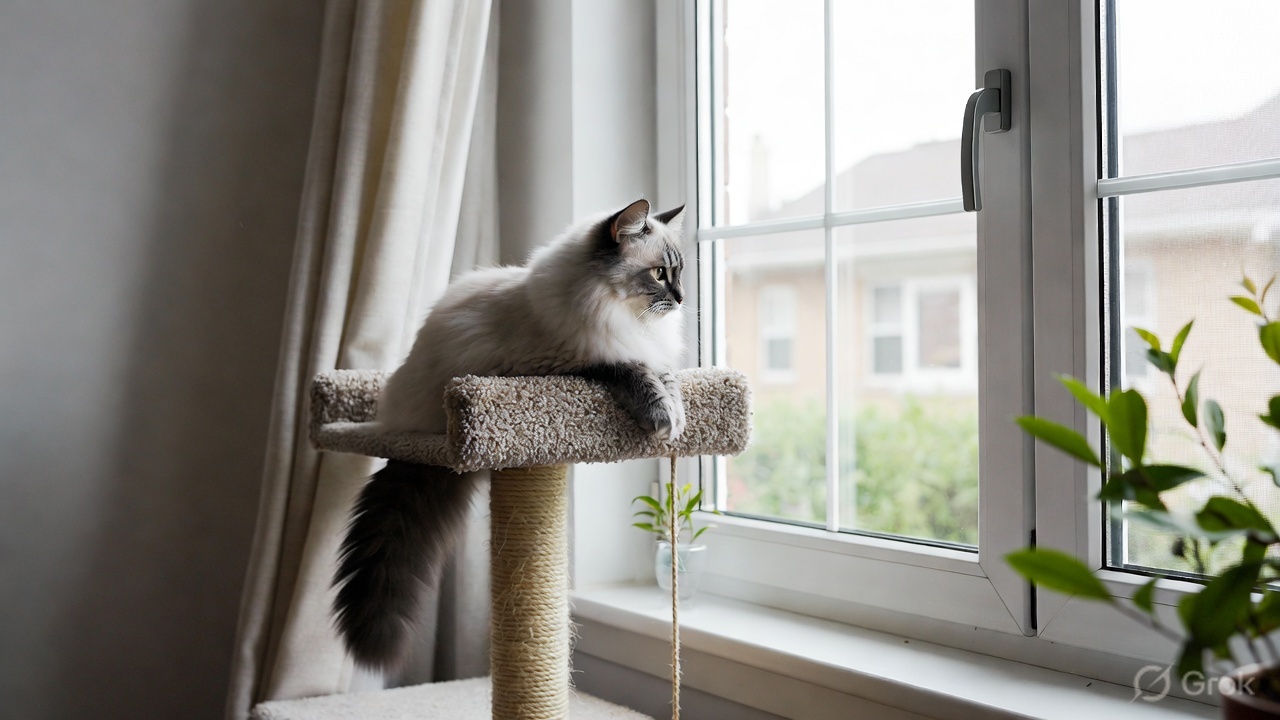
Dietary Prevention Strategies — Water, Moisture, and Urinary pH
Regardless of FLUTD cause, increasing water intake and feeding moisture-rich diets are universally beneficial. Concentrated urine (high specific gravity) increases crystal formation risk and irritates bladder lining; dilute urine flushes crystals before they aggregate and reduces contact time between irritants and bladder mucosa.
Increasing Water Intake — Multiple Strategies
Prescription Urinary Diets — When and Why
Prescription urinary diets (Hill's c/d, Royal Canin Urinary S/O, Purina UR) are formulated to:
- Control urine pH (acidifying for struvite, neutral for oxalate prevention)
- Restrict minerals that form crystals (magnesium, calcium, phosphorus, oxalate precursors)
- Increase urine volume through salt supplementation (promotes thirst)
- Provide anti-inflammatory omega-3 fatty acids
When to use prescription diets:
- Confirmed crystal or stone formation (type-specific diet selection based on urinalysis)
- Recurrent FLUTD episodes (≥2 episodes in 12 months)
- After urinary obstruction (lifelong prescription diet reduces reblockage risk by 60–80%)
- As adjunct therapy for FIC (some evidence for benefit even without crystals)
Litter Box Optimization — The Most Overlooked FLUTD Prevention
Litter box aversion is a major FIC trigger and a common reason cats "hold" urine, leading to concentrated urine and increased crystal risk. Cats are fastidious and will avoid a box they perceive as dirty, unpleasant, or unsafe. Proper litter box management is as important as diet for FLUTD prevention.
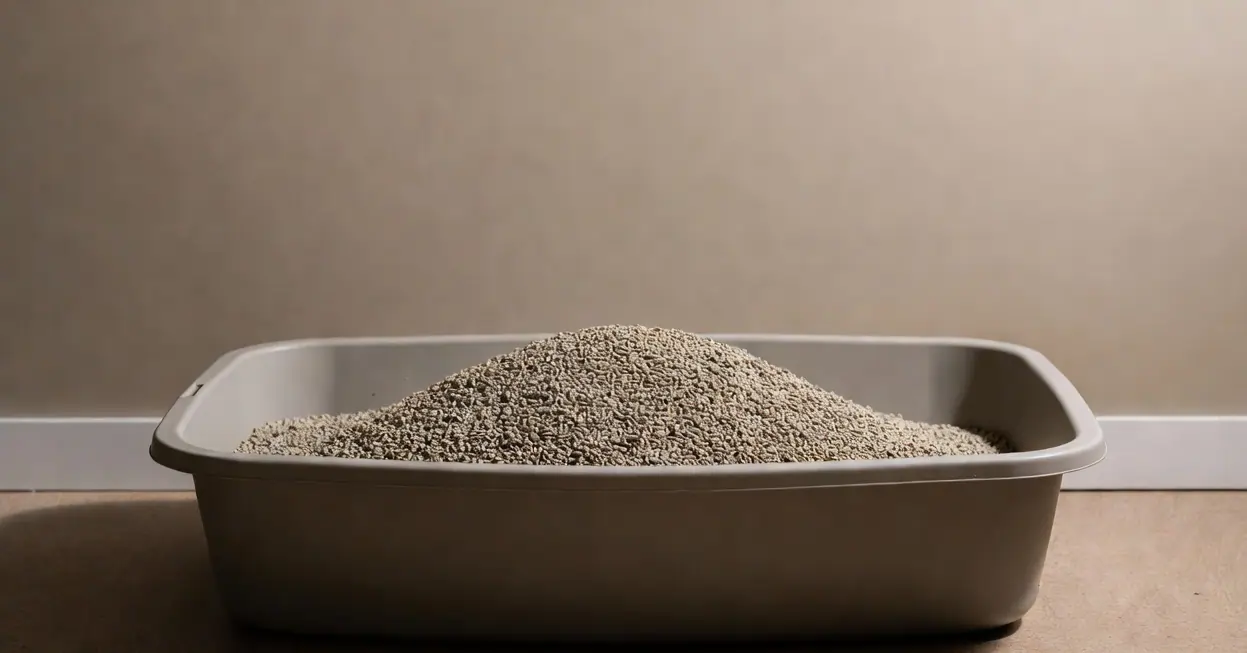
India-Specific FLUTD Risk Factors
Home Monitoring — When to Call the Vet
Once a cat has had one FLUTD episode, recurrence risk is 40–50% within 12 months. Vigilant home monitoring allows you to catch flares early:
- Monitor litter box daily: Count urine clumps (normal = 2–4 per day for one cat). Check clump size (normal = golf ball to tennis ball). Look for blood (pink-stained litter). If you see many small clumps or blood, call vet within 24 hours.
- Watch for straining behavior: Any time a cat strains to urinate for more than 2–3 attempts with no urine, assume obstruction until proven otherwise — go to emergency vet immediately.
- Monitor water intake: Establish baseline (measure water bowl daily for one week — note how much cat drinks). Significant decrease (e.g., drinking 50ml instead of usual 150ml) warrants vet call — dehydration precedes flares.
- Track inappropriate urination: Any urination outside box requires vet exam within 24–48 hours. Do not punish — this is a medical symptom.
- Schedule urinalysis every 6 months for cats with recurrent FLUTD: Monitors urine pH, crystal type, and specific gravity. Allows dietary adjustments before clinical signs appear.
Treatment Overview — What to Expect at the Vet
| FLUTD Cause | Diagnostic Tests | Treatment | Prevention |
|---|---|---|---|
| Urinary Obstruction | Physical exam, bloodwork (kidney values, potassium), urinalysis, imaging | Emergency catheterization under sedation, IV fluids (24–72 hrs hospitalization), pain relief, alpha-blockers (prazosin) to relax urethra | Lifelong prescription diet, increase water intake, stress reduction, monitor for reblockage signs |
| Struvite Crystals | Urinalysis (microscopy), urine pH, radiographs if stones suspected | Prescription acidifying diet (Hill's c/d, Royal Canin S/O), increase water, pain relief if needed. Stones dissolve in 3–6 weeks. | Continue prescription diet lifelong or until follow-up urinalysis shows sustained crystal resolution |
| Calcium Oxalate Crystals | Urinalysis, radiographs or ultrasound (stones are radiopaque — visible on X-ray) | Prescription diet to prevent further formation (not dissolve existing stones). Surgery (cystotomy) if large stones present. Increase water dramatically. | Lifelong diet, water supplementation, avoid urinary acidifiers, monitor with urinalysis every 6 months |
| Bacterial UTI | Urinalysis (bacterial culture and sensitivity testing), bloodwork if senior/diabetic | Antibiotics based on culture results (usually 7–14 days), increase water, treat underlying predisposing conditions (diabetes, kidney disease) | Recheck urine culture 1 week after antibiotics finished; address predisposing factors (diabetic control, kidney support) |
| Feline Idiopathic Cystitis (FIC) | Diagnosis of exclusion (rule out crystals, stones, UTI). Urinalysis, imaging to confirm no structural abnormalities. | Multimodal environmental modification (MEMO — see above), pain relief during flares (buprenorphine), amitriptyline if recurrent, Feliway, increase water | Ongoing environmental enrichment, litter box optimization, stress minimization, wet food diet, Feliway |
Related Guides
This content is provided for educational purposes only and is not a substitute for professional veterinary advice, diagnosis, or treatment. Urinary obstruction is a life-threatening emergency requiring immediate veterinary care — do not attempt home treatment. FLUTD has multiple possible causes requiring accurate diagnosis via urinalysis, imaging, and sometimes cystoscopy before appropriate treatment can be initiated. Always consult your registered veterinarian if your cat shows any signs of urinary difficulty, including straining, blood in urine, or frequent litter box visits with little urine production. Delay in seeking care for urinary obstruction can result in death within 24–72 hours.