
Heatstroke is the leading preventable cause of summer pet deaths in India. Every year, hundreds of dogs and cats die from hyperthermia during the April–September heat season — deaths that are entirely avoidable with awareness and proactive cooling strategies. India's summers are uniquely dangerous: ambient temperatures routinely exceed 45°C in North India; humidity in coastal cities approaches 90%, rendering panting ineffective; and infrastructure failures (power cuts eliminating AC/fans, lack of shade in urban environments) create sudden heat exposure that pets cannot escape.
Unlike humans, who cool primarily through sweating across their entire body surface, dogs and cats rely almost exclusively on respiratory evaporative cooling (panting) and limited sweat gland function in paw pads. When ambient temperature approaches or exceeds body temperature (38.5–39.5°C in dogs and cats), and particularly when combined with high humidity, these mechanisms fail catastrophically. Core body temperature rises rapidly — once it exceeds 41°C, multi-organ failure begins within minutes. Brain damage, kidney failure, disseminated intravascular coagulation (DIC), and death follow if emergency intervention is not immediate.
This guide provides the life-saving knowledge every Indian pet owner must have: how to recognize heatstroke in its early, treatable stage; the exact emergency cooling protocol that stops progression to organ failure; which breeds are at highest risk and require modified summer management; and the India-specific environmental hazards (parked cars, balcony confinement, power outages) that create fatal heat exposure.

What Is Heatstroke? — Pathophysiology and Cascade to Organ Failure
Heatstroke (hyperthermia) is defined as core body temperature exceeding 40°C (104°F) due to environmental heat exposure, with associated clinical signs of heat stress. It must be distinguished from fever, which is a controlled elevation of body temperature set-point driven by inflammatory cytokines — heatstroke is an uncontrolled, pathological rise in temperature where the body's cooling mechanisms have been overwhelmed.
The cascade to organ failure proceeds as follows:
- 39.5–40°C (Normal–Mild Heat Stress): Compensatory panting increases. Peripheral vasodilation redirects blood to skin for heat dissipation. Heart rate and respiratory rate increase. Pet is still conscious and responsive but uncomfortable.
- 40–41°C (Moderate Heatstroke): Cellular heat-shock protein responses activate. Gastrointestinal mucosa begins breaking down — bacterial translocation from gut to bloodstream initiates systemic inflammatory response syndrome (SIRS). Vomiting and diarrhoea begin. Mental dullness and weakness appear.
- 41–42°C (Severe Heatstroke — Organ Damage Threshold): Direct thermal injury to cells. Protein denaturation begins. Disseminated intravascular coagulation (DIC) initiated — widespread microvascular clotting and haemorrhage. Acute kidney injury from rhabdomyolysis (muscle breakdown) and hypovolemia. Cerebral oedema causes seizures, ataxia, stupor.
- >42°C (Critical — Multi-Organ Failure): Irreversible neurological damage. Acute respiratory distress syndrome (ARDS). Hepatic necrosis. Cardiac arrhythmias. Death imminent without aggressive emergency care including IV fluids, oxygen, and ICU monitoring.
Temperature Danger Zones — When Heat Becomes Lethal
Understanding ambient temperature thresholds allows you to proactively restrict outdoor activity and prevent heat exposure:
Low Risk, Normal Activity
Below 28°C with moderate humidity, healthy dogs and cats can exercise normally. Still provide shade and water. Brachycephalic breeds: caution even in this range.
Moderate Risk, Reduce Activity
Shorten walks to 15–20 minutes early morning/late evening. Avoid midday. High-risk breeds (brachycephalic, obese, dark-coated, senior) stay indoors with AC/fans. Watch for early heat stress signs.
High Risk, Outdoor Activity Contraindicated
Typical North India April–June temperatures. No outdoor exercise for any dog or cat. Even brief balcony/terrace exposure dangerous. Ensure continuous indoor cooling (AC/fans). Asphalt reaches 60°C+ — severe paw burns within seconds.
Extreme Risk, Life-Threatening Exposure
Heatstroke can occur within 10–15 minutes of outdoor exposure. Even indoor temperatures without AC can be fatal. Elderly, obese, or brachycephalic pets may develop heatstroke even while resting indoors if cooling is inadequate. This is a pet medical emergency climate — treat as you would a natural disaster.
High-Risk Breeds — Who Is Most Vulnerable?
Certain breeds and individual characteristics dramatically increase heatstroke risk. If your pet falls into any high-risk category, summer management must be more restrictive — these animals can develop fatal heatstroke at lower temperatures and with shorter exposure times than healthy, brachycephalic-free dogs.
Extremely High Risk
Brachycephalic (flat-faced) breeds: Anatomically compromised airways make efficient panting impossible. These breeds have shortened nasal passages, elongated soft palates, and narrowed tracheas — respiratory cooling is severely impaired even at rest.
- Dogs: Pugs, English Bulldogs, French Bulldogs, Boston Terriers, Shih Tzus, Pekingese, Boxers (brachycephalic tendency), Cavalier King Charles Spaniels
- Cats: Persian, Himalayan, Exotic Shorthair, British Shorthair (mild brachycephaly)
Action required: These breeds should be treated as if they have pre-existing heat intolerance. AC is mandatory during summer, not optional. Outdoor exposure should be limited to <5 minutes for elimination only, and only before 7 AM or after 8 PM. Many brachycephalic dogs will develop heat stress while playing indoors if AC is inadequate.
Elevated Risk
Other risk factors that increase vulnerability:
- Obesity: Adipose tissue insulates and reduces heat dissipation efficiency. Obese pets overheat 2–3x faster than lean pets.
- Dark or thick coats: Absorb more solar radiation. Double-coated breeds (Huskies, Golden Retrievers, German Shepherds) retain heat despite coat providing some insulation.
- Age extremes: Puppies/kittens (<6 months) have immature thermoregulation. Senior pets (>8 years dogs, >10 years cats) have reduced cardiac output and slower heat dissipation.
- Pre-existing disease: Heart disease (reduced cardiac output → poor heat dissipation), laryngeal paralysis (impaired panting), hypothyroidism, Cushing's disease.
- Medications: Diuretics (reduce circulating volume), beta-blockers (reduce heart rate response), antihistamines (reduce panting drive).

Early Warning Signs of Heatstroke — Act Immediately
Heatstroke progresses through predictable clinical stages. The key to survival is recognizing Stage 1 (early heat stress) and intervening before progression to Stage 2 (moderate heatstroke with organ dysfunction). Once Stage 3 (collapse, seizures) occurs, mortality exceeds 50% even with aggressive emergency care.
Stage 1: Early Heat Stress (Reversible with Immediate Cooling)
Stage 2: Moderate Heatstroke (Organ Dysfunction Beginning)
Stage 3: Severe Heatstroke (Multi-Organ Failure — Guarded to Grave Prognosis)
- Collapse, unconsciousness, coma: Non-responsive to stimuli. Muscle rigidity or flaccidity.
- Seizures or tremors: Generalized or focal. Indicates severe cerebral oedema and increased intracranial pressure.
- Difficulty breathing (dyspnea) or respiratory arrest: Pulmonary oedema or ARDS. May see blood-tinged foam from mouth/nose.
- Cardiac arrhythmias or arrest: Hyperkalaemia (from rhabdomyolysis) and direct thermal myocardial damage cause ventricular arrhythmias.
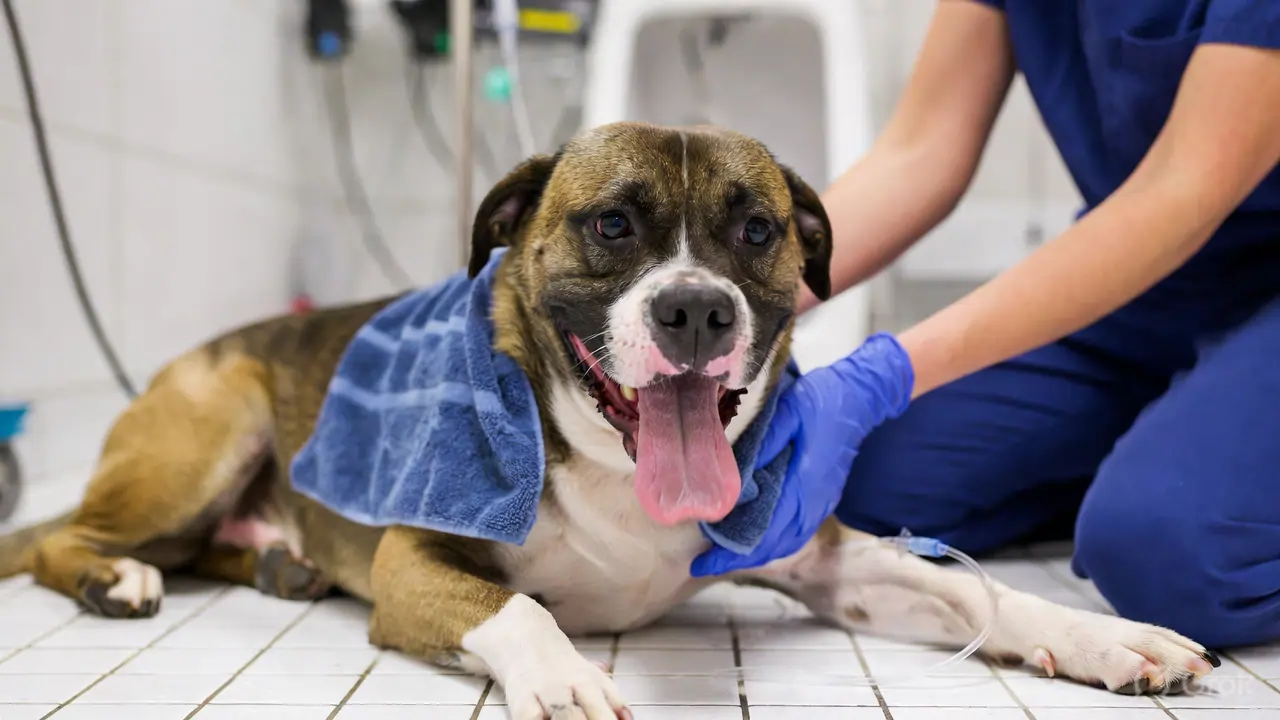
Emergency Cooling Protocol — Step-by-Step Life-Saving Response
If you recognize heatstroke signs, time is critical. Begin cooling immediately — do not waste time calling the vet first, do not wait to reach the hospital. Cool the pet while someone else drives. The goal is to reduce core body temperature to 39.5°C (103°F) as quickly as possible without causing hypothermia.
- 1Remove from heat source and move to coolest available location immediately. Bring indoors to AC room, move to shade with fan, get into car with AC on maximum. Every second of continued heat exposure worsens organ damage.
- 2Offer small amounts of cool (not cold) water to drink. If pet is conscious and able to swallow, offer a few laps of room-temperature or slightly cool water. Do not force — aspiration risk if vomiting or altered mentation. Do not give ice water — causes peripheral vasoconstriction which traps heat internally.
- 3Begin active cooling with room-temperature water — NOT ice water or ice packs. Wet the entire body with room-temperature (20–25°C) water using a hose, shower, or buckets. Focus on high-surface-area regions: groin (inner thighs), armpits, paw pads, abdomen, neck. Do NOT use ice water or place ice directly on skin — this causes peripheral vasoconstriction (blood vessels in skin constrict), which traps core heat and prevents cooling. Ice also causes shivering which generates more heat.
- 4Maximize evaporative cooling with air movement. Use fans, open car windows, or position pet in front of AC vent. Evaporation is key — water alone does not cool; evaporation of water off wet fur cools. Fan dramatically increases evaporation rate.
- 5Apply cool (not frozen) compresses to high-heat-exchange areas. Wet towels wrung out in cool water placed on groin, armpits, neck, and paw pads. Replace every 2–3 minutes as towels warm. Do NOT wrap ice in towels and leave in place — causes vasoconstriction.
- 6Monitor rectal temperature every 5 minutes if possible. Use a digital rectal thermometer lubricated with water-based gel. Advance 2–3 cm into rectum and hold for 60 seconds. Target is 39.5°C (103°F). Once this temperature is reached, STOP active cooling to avoid hypothermia (overcorrection). If you don't have a thermometer, cool for 10–15 minutes or until panting slows and gums return to pink.
- 7Transport to veterinary emergency hospital immediately while cooling. Even if pet appears recovered after cooling, heatstroke causes delayed organ damage that manifests 12–72 hours later. All heatstroke cases require veterinary examination, bloodwork (kidney function, electrolytes, clotting factors), and monitoring. Do NOT assume home cooling is sufficient.
Heatstroke Prevention — Summer Survival Strategies
Prevention is straightforward and 100% effective. No pet should ever die of heatstroke — it is entirely preventable with awareness and environmental management.
1. Restrict Outdoor Activity During Heat
2. Provide Continuous Indoor Cooling
3. Never Leave Pet in Parked Vehicle — Ever
4. Grooming and Coat Management
- Regular brushing removes dead undercoat and improves air circulation to skin: Particularly important for double-coated breeds (Golden Retrievers, Huskies, German Shepherds). Matted fur traps heat.
- NEVER shave double-coated breeds: The undercoat provides insulation that protects from both cold and heat. Shaving removes this protection and exposes skin to sunburn. It also disrupts coat regrowth — fur may grow back patchy or incorrectly. Light trimming (not full shave) is acceptable for heavily matted dogs after vet consultation.
- Consider trimming long-haired breeds (Shih Tzus, Lhasa Apsos) to 2–3 cm length: Reduces heat retention while maintaining UV protection. Consult groomer or vet before shaving.
5. Cooling Accessories and Environmental Enrichment
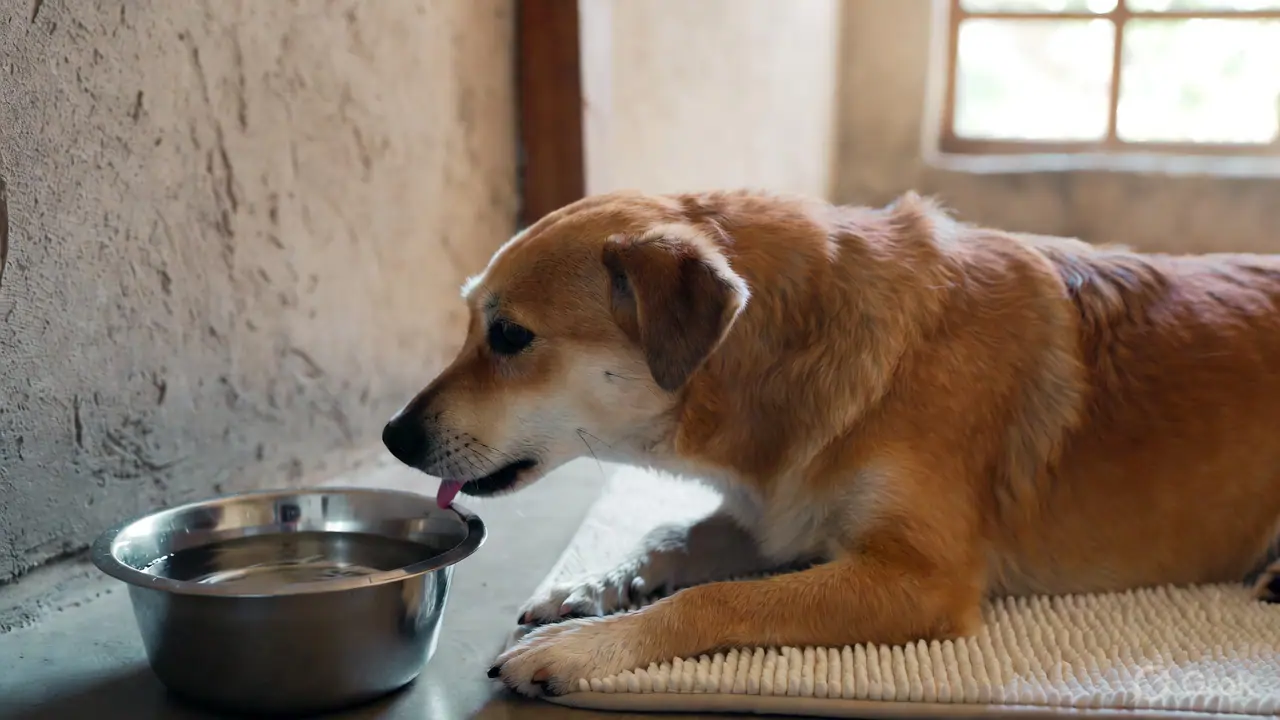
India-Specific Summer Hazards — Unique Risk Factors
Related Guides
This content is provided for educational purposes only and is not a substitute for professional veterinary advice, diagnosis, or treatment. Heatstroke is a life-threatening emergency requiring immediate veterinary care. The emergency cooling protocol described here should be initiated while transporting to veterinary hospital — home cooling alone is insufficient for moderate or severe heatstroke. All heatstroke cases require veterinary examination even if the pet appears recovered, as delayed organ failure can occur 12–72 hours post-exposure. Always consult your registered veterinarian for guidance specific to your pet's breed, age, and health status.