
Travelling with pets in India presents unique challenges that extend far beyond the logistics of booking tickets or packing carriers. India's vast distances, extreme climate variability (45°C summers to sub-zero Himalayan winters), inconsistent infrastructure (unpredictable traffic, frequent delays), and fragmented pet transport regulations across airlines, railways, and states create an environment where poorly planned travel can quickly become dangerous. Heat stroke, dehydration, respiratory distress in brachycephalic breeds, motion sickness, and acute stress responses are all common consequences of inadequate preparation.
This guide provides the comprehensive, veterinary-reviewed framework you need to transport your dog or cat safely and humanely — whether you're driving 200 km to a family wedding, taking the train to a hill station, or flying your pet across the country for relocation. We cover the three primary modes of transport, mandatory health documentation, airline-specific pet policies, stress reduction protocols, and the India-specific factors (monsoon travel, heat management, breed restrictions) that you must account for to protect your pet during transit.
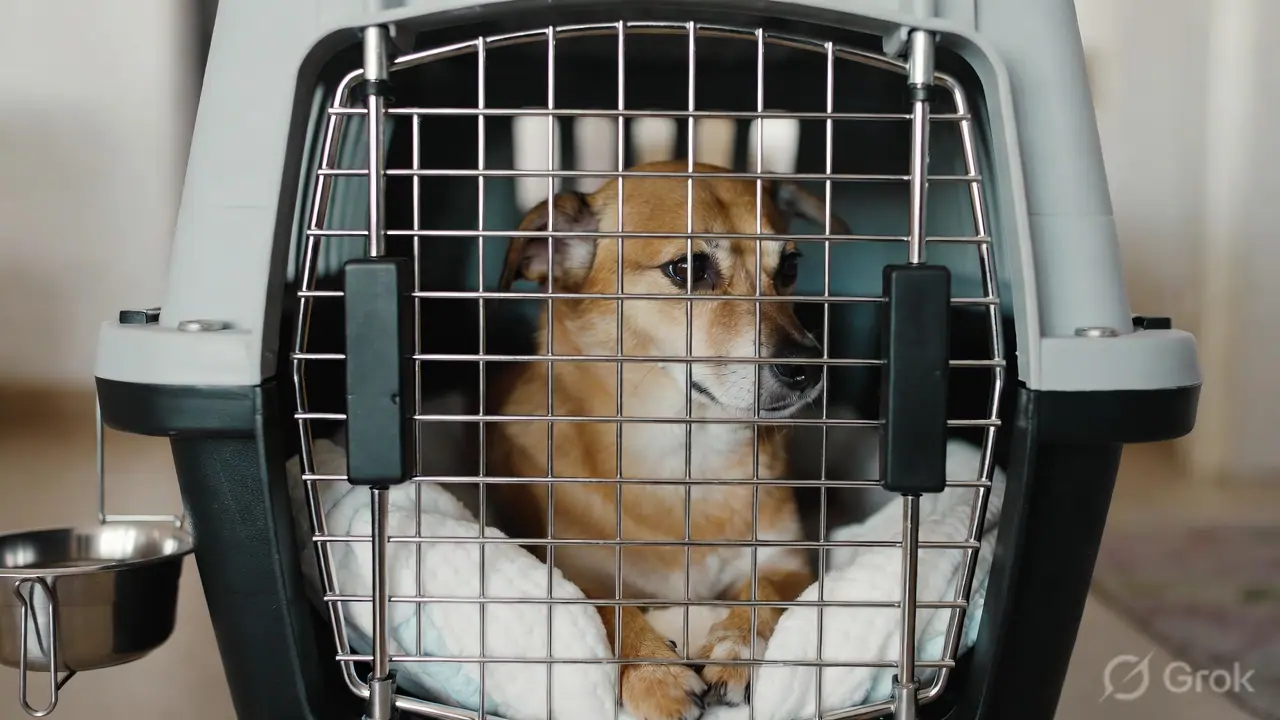
Choosing Your Mode of Transport — Comparative Analysis
The right mode of transport depends on distance, your pet's temperament, health status, and breed. Each mode has distinct advantages and serious limitations:
Car / Private Vehicle
Most flexible and pet-friendly option for short-to-medium distances (up to 500 km). Allows full control over temperature, breaks, and pace.
Indian Railways
Cost-effective for long distances but requires advance planning. Pet policies vary by train class; most pets travel in luggage van, not with owner.
Domestic Flights
Fastest option for long distances (1500+ km) but expensive, heavily regulated, and unsuitable for many breeds. Requires strict documentation and crate specifications.
Universal Travel Preparation Checklist (All Modes)
Regardless of transport mode, these preparations are mandatory for safe, legal pet travel:
Health and Legal Documentation
Travel Supplies — Essential Items
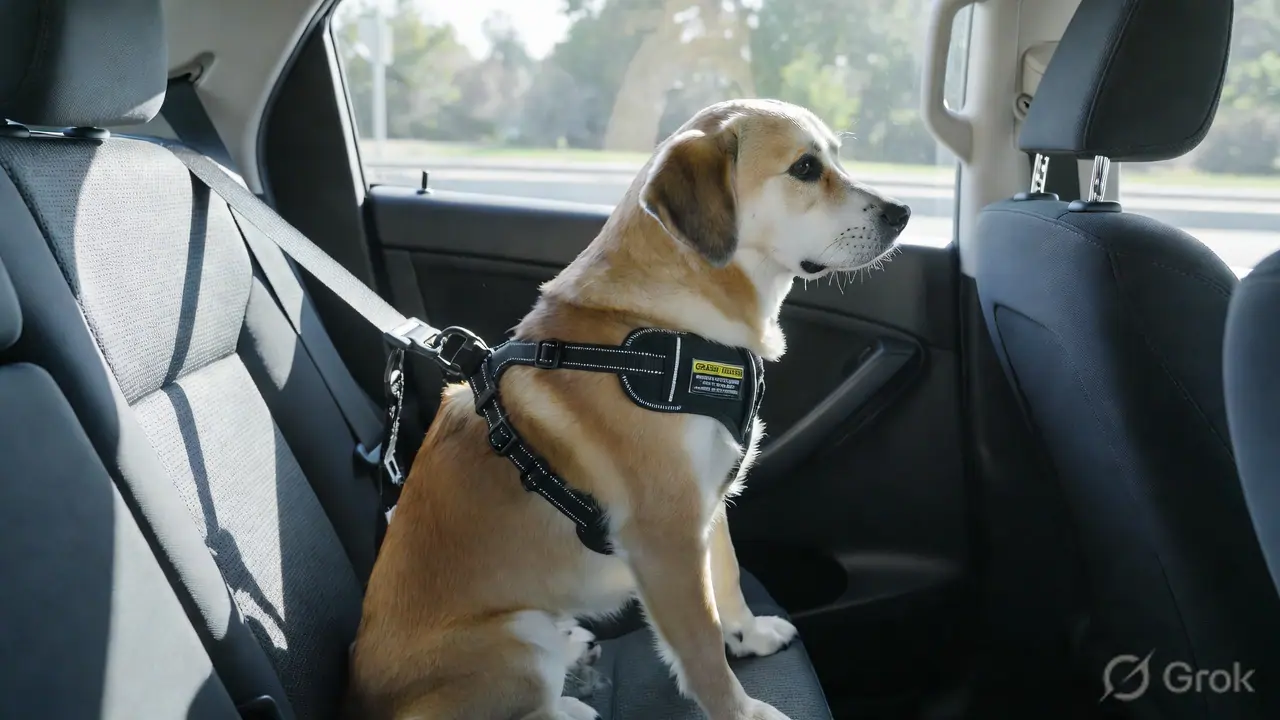
Travelling by Car — Safety Protocol and Heat Management
Road travel offers maximum flexibility but requires discipline to prevent the two most common car-related pet emergencies: vehicular injury from unrestrained pets and heat stroke from inadequate climate control.
Restraint and Safety
- 1Use crash-tested restraint systems — never allow pets to roam freely. Unrestrained dogs become projectiles in sudden stops or collisions, causing serious injury to themselves and human passengers. Use a crash-tested harness (Sleepypod, Kurgo) that attaches to seat belt, or secure a crate with tie-downs. Lap-riding small dogs are at highest risk of fatal injury in accidents.
- 2Avoid front passenger seat placement. Airbag deployment can cause fatal trauma to small pets. Rear seat or cargo area (with barrier) are safest positions.
- 3Never allow heads out of windows. Eye injuries from debris, ear trauma from wind pressure, and risk of jumping/falling are significant. Keep windows closed or cracked maximum 5 cm.
Climate Control and Break Schedule
- 1Maintain cabin temperature at 22–25°C continuously. Dogs cannot thermoregulate effectively in stationary vehicles — even with windows cracked, cabin temperatures can reach 45°C within 15 minutes in Indian summer sun. AC failure is an emergency; pull over immediately and open all doors in shade.
- 2Never leave pet in parked car — even for 5 minutes. This is the leading cause of heat stroke deaths in pets during travel. If you cannot take your pet with you, do not travel by car. Even overcast days can be fatal — cabin temperature rises independent of outside temperature.
- 3Schedule breaks every 2–3 hours. Stop at rest areas or petrol stations with grass/dirt areas. Allow 10–15 minutes for urination, defecation, water, and walking. Carry poop bags and leash at all times. Avoid high-traffic areas where pets can be startled by trucks.
- 4Avoid travel during peak heat (11 AM – 4 PM) from April–September. Schedule departure before 7 AM or after 6 PM when possible. India's summer heat is incompatible with safe daytime travel for many breeds.
Motion Sickness Management
Travelling by Train — Indian Railways Pet Policy
Indian Railways permits pet travel but policies vary significantly by train type, class, and zone. Advance planning is essential — pet quota is limited and often fills weeks ahead of travel dates.
Permitted Classes and Booking Requirements
- Permitted classes: AC First Class, AC 2-Tier, First Class (non-AC) in most zones. Some trains allow pets in AC 3-Tier and Sleeper but this is inconsistent — verify specific train policy at booking.
- Where pet travels: Most trains: pet travels in luggage van / brake van (separate from passenger compartment). Some premium trains and AC First Class: pet may travel with owner in coupe if entire coupe is booked by one party. Small pets in carriers sometimes permitted in passenger compartment at conductor's discretion.
- Booking process: Pet must be declared at ticket booking. Contact railway enquiry (139) or visit station 3–7 days before travel to book pet quota. Additional charge applies (₹30–₹100 base + per-kg rate). Carry booking receipt and health documents to station.
- Weight and size limits: No explicit upper weight limit for most zones, but pet must fit comfortably in designated luggage van space. Crate dimensions typically limited to 90 × 60 × 60 cm maximum.
Mandatory Documentation for Train Travel
Luggage Van Realities and Owner Responsibilities
What you can do to improve luggage van conditions: Use a sturdy, well-ventilated crate with thick absorbent bedding. Attach water bowl to crate (spill-proof design). Label crate clearly with your name, phone, destination, and "LIVE ANIMAL — HANDLE WITH CARE". Visit luggage van during station stops if possible (not always permitted) to check on pet and offer water. Inform luggage van attendant of your pet's presence and tip generously — attendants can provide water and check on pet during journey if asked politely.
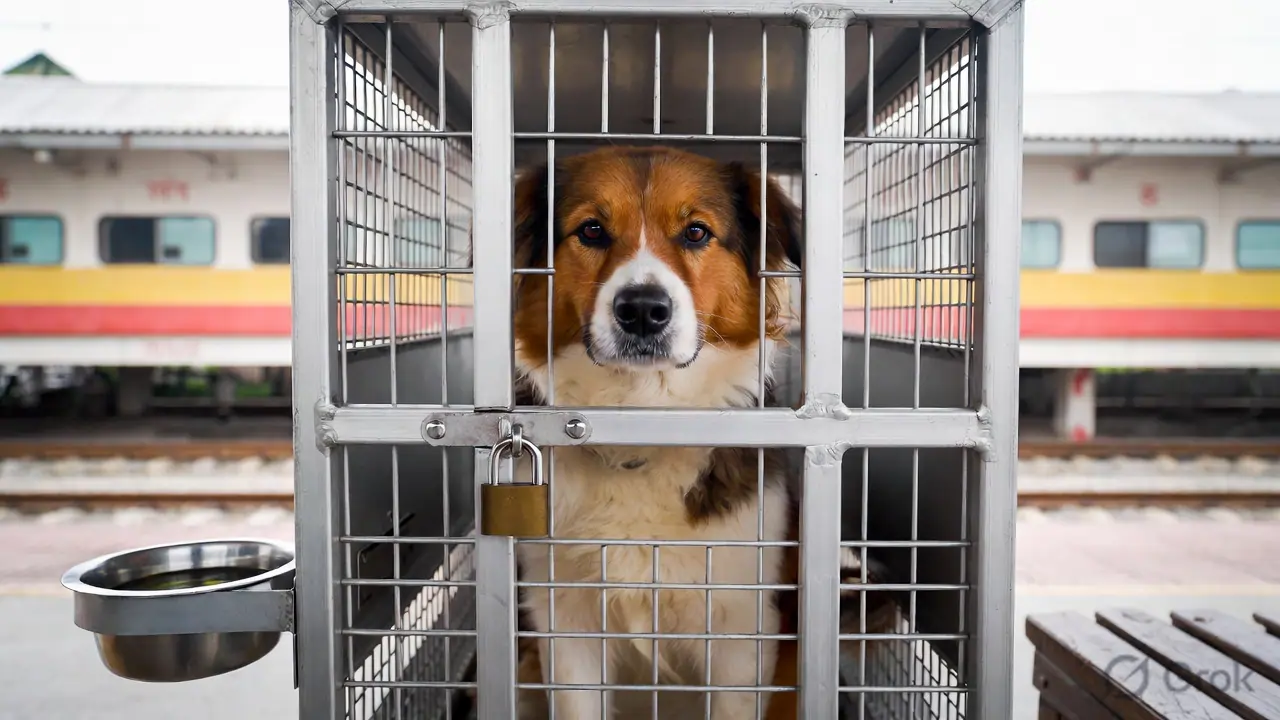
Travelling by Flight — Airline Regulations and Breed Restrictions
Domestic air travel is the fastest and often safest option for long distances — if your pet meets airline eligibility criteria and you comply with strict crate specifications. Pet policies vary significantly between carriers; booking 4–6 weeks ahead is essential as pet cargo space is severely limited.
Airline Policy Comparison — Major Indian Carriers (2026)
| Airline | In-Cabin Allowed? | Cargo Hold Policy | Weight Limit | Banned Breeds | Approx. Cost (Domestic) |
|---|---|---|---|---|---|
| Air India | Yes — dogs/cats under 5 kg (with carrier) | Yes — IATA crate required | In-cabin: 5 kg total | Cargo: 32 kg max per crate | Pugs, Bulldogs, Boxers, Shih Tzus (all brachycephalic breeds banned cargo) | ₹3,000–₹7,000 |
| IndiGo | No — pets not permitted in cabin | Yes — advance booking required (limited slots) | Cargo only: max 150 kg (crate + pet combined) | All snub-nosed breeds (Pugs, Bulldogs, Persians, etc.) banned entirely | ₹2,500–₹6,000 |
| Vistara | Yes — pets under 7 kg (with soft carrier) | Yes — climate-controlled cargo | In-cabin: 7 kg total | Cargo: 50 kg max | Brachycephalic breeds banned from cargo (cabin allowed if under 7 kg) | ₹4,000–₹8,000 |
| SpiceJet | No | Yes — pre-booking 48 hrs minimum | Max 32 kg per container | Snub-nosed breeds banned | ₹2,000–₹5,000 |
| Go First | No | Policy suspended (check current status before booking) | — | — | — |
Important: Airline policies change frequently. Always verify current pet policy directly with airline 4–6 weeks before travel — do not rely on third-party websites or dated information. Some airlines require vet acclimation certificates (stating pet is accustomed to crate confinement) in addition to health certificates.
IATA Crate Requirements — Non-Negotiable Standards
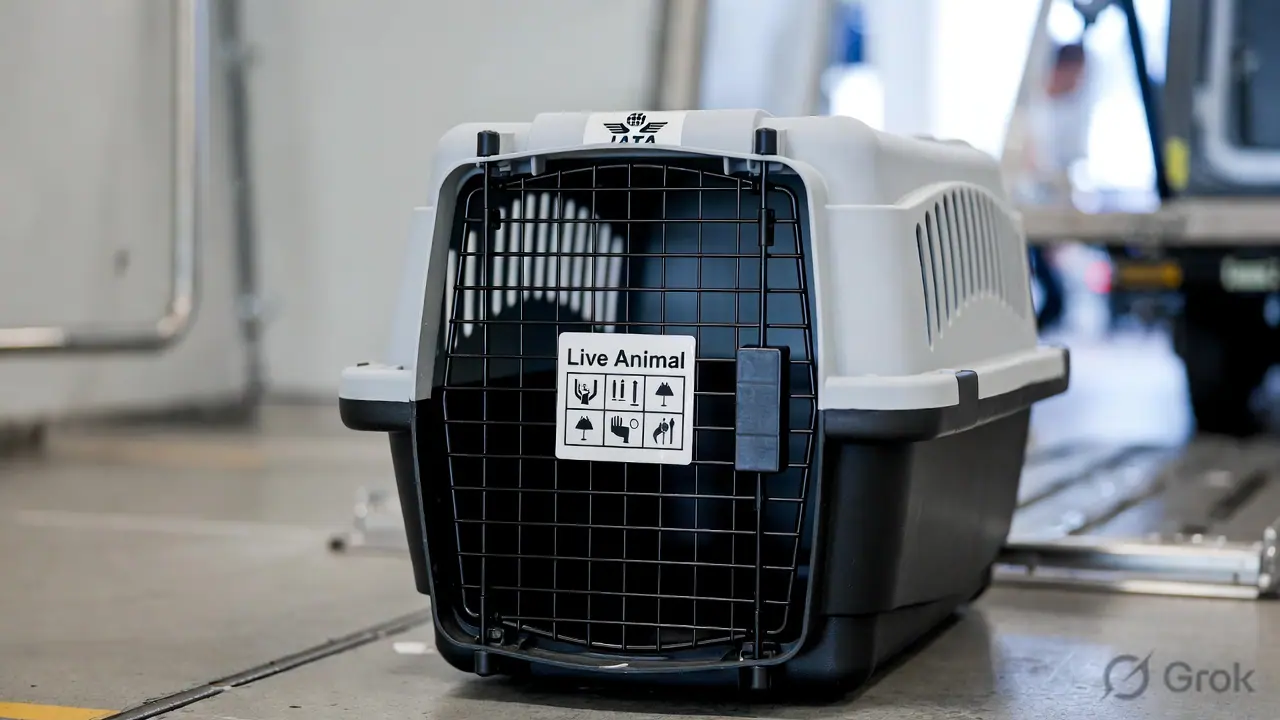
Airlines universally require IATA-compliant crates for cargo hold travel. Non-compliant crates will result in denied boarding. Requirements:
- Size: Pet must be able to stand fully upright without touching crate roof, turn 360° comfortably, and lie down fully extended. Measure pet's height (floor to top of head while standing) + 7–10 cm = minimum crate height. Length = pet nose to tail base + 10 cm.
- Construction: Rigid plastic or fibreglass (wire crates not permitted). Ventilation openings on at least 3 sides (4 sides preferred), minimum 16% of total wall area. Secure, tamper-proof door latch (bolt system, not simple clips).
- Floor: Solid, leak-proof base with absorbent material (newspaper, pee pads, shredded paper). No blankets or towels — these can obstruct ventilation or cause overheating.
- Labeling: Affix large "LIVE ANIMAL" stickers on top and at least one side. Arrow stickers indicating upright orientation. Label with owner name, phone, destination address, and "IN CASE OF EMERGENCY CONTACT: [vet clinic name and number]".
- Water bowl: Attach spill-proof water bowl to inside of crate door — accessible from outside without opening crate. Fill just before check-in.
Cargo Hold vs. In-Cabin — Risk Assessment
In-cabin travel (if eligible): Safest option. Pet remains under your direct supervision; cabin is pressurised and climate-controlled identically to passenger seating area. Stress is minimised by owner presence. Strongly preferred for cats, small dogs, anxious pets, and brachycephalic breeds.
Cargo hold travel: Generally safe for healthy, non-brachycephalic dogs and cats in IATA-compliant crates when weather is moderate. Cargo holds are pressurised and temperature-controlled, but conditions are noisier, darker, and more variable than cabin. Risk is higher during ground delays (poor ventilation), extreme weather (cargo area heats/cools faster than cabin), and with improper crate setup. Not suitable for brachycephalic breeds, senior pets with cardiac/respiratory disease, or pets under 12 weeks.
Reducing Travel Stress and Anxiety — Evidence-Based Protocols
Travel is inherently stressful for most pets — unfamiliar environments, confinement, noise, and separation from owners all elevate cortisol. Chronic stress suppresses immune function and can trigger stress-induced colitis, cystitis, or upper respiratory infections in cats. Proactive stress management is medical care, not luxury.
India-Specific Travel Challenges and Solutions
When to Consult Your Veterinarian Before Travel
Certain pets require pre-travel veterinary assessment to determine if transport is safe and to obtain preventive medications:
- Brachycephalic breeds (Pugs, Bulldogs, Boston Terriers, Persian cats, Himalayan cats): High risk of respiratory distress during travel — discuss alternative transport or whether travel is advisable at all. These breeds should never fly in cargo.
- Chronic medical conditions: Heart disease, chronic kidney disease, diabetes, epilepsy, or any condition requiring daily medication — vet must confirm fitness to travel and advise on medication timing and emergency protocols.
- History of severe motion sickness or anxiety: Prescription antiemetics (Cerenia) or anxiolytics (trazodone, gabapentin) can make travel safe and humane — these require veterinary prescription and dose calculation.
- Puppies and kittens under 12 weeks: Immature immune systems and incomplete vaccination series make young animals vulnerable to infectious disease at transport hubs. Discuss timing of travel relative to vaccination schedule.
- Senior pets (>8 years dogs, >10 years cats): Age-related organ dysfunction may not be clinically apparent but can decompensate under travel stress. Pre-travel bloodwork (kidney, liver, electrolytes) is prudent.
- Recently spayed/neutered or post-surgical recovery: Most vets recommend 10–14 days recovery before travel — premature travel increases infection risk and wound dehiscence.
Related Guides
This content is provided for educational purposes only and is not a substitute for professional veterinary advice, diagnosis, or treatment. Travel regulations change frequently — always verify current airline, railway, and state-specific pet transport policies directly with carriers and regulatory authorities before booking travel. Consult your registered veterinarian for individualised pre-travel health assessment, required vaccinations, and medications appropriate for your pet's age, breed, and medical history. Some pets (brachycephalic breeds, those with severe anxiety or medical conditions) may not be suitable candidates for certain modes of transport.