
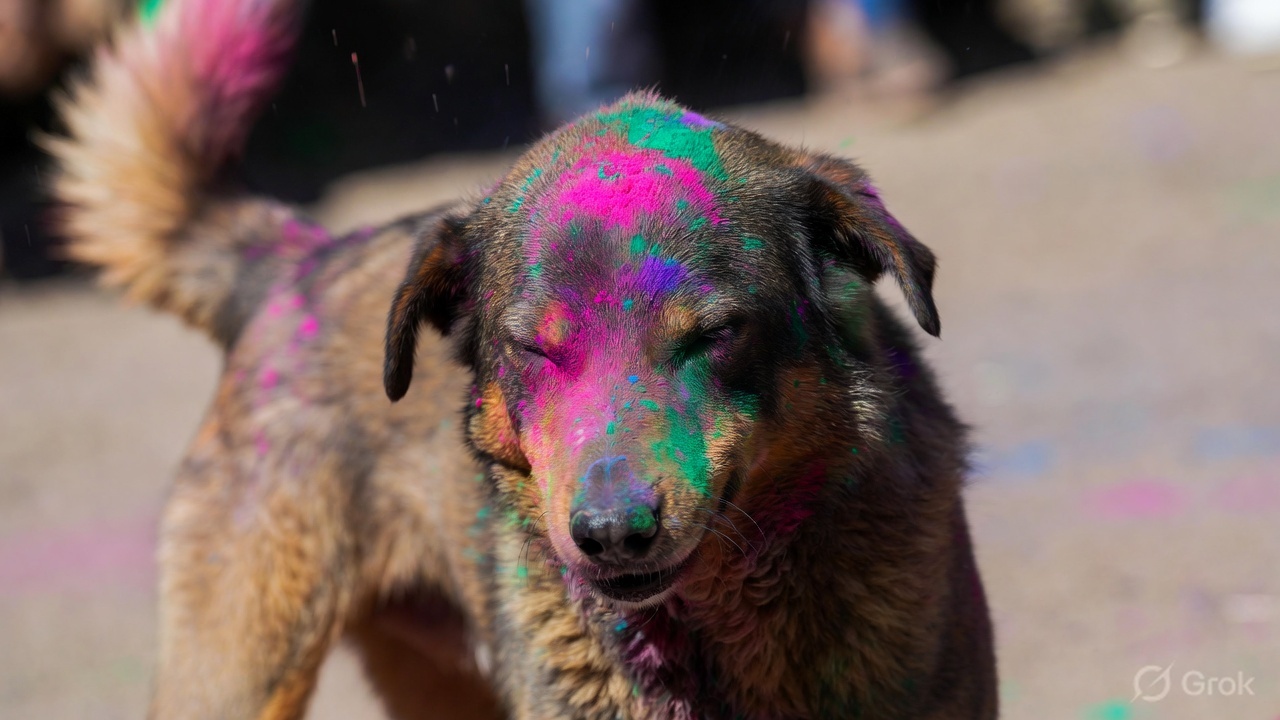
Holi brings vibrant color, water, music, and food to streets and homes across India — and almost all of it poses risks to the dogs and cats who share those spaces. Unlike Diwali, where the primary danger is noise, Holi presents a broader spectrum of hazards that are simultaneously harder to predict and easier to underestimate. A dog does not need to be deliberately covered in color for a problem to occur — simply walking through a street where color has been spread, or licking paws after coming inside, is enough for ingestion of toxic compounds.
This guide covers every significant Holi hazard in clinical detail, explains exactly what happens physiologically when pets are exposed, and gives you a concrete prevention plan and emergency response protocol.
The Chemistry of Holi Colors — Why They Are Dangerous
The most important thing to understand about Holi colors — including many products sold as "herbal" or "organic" — is that their safety has not been tested for animal exposure. Even colors produced without intentionally toxic ingredients often contain compounds that are harmful to pets when ingested, inhaled, or absorbed through skin. Pets cannot spit out powder like humans can — they groom it off their fur directly into their digestive systems.
Common harmful components detected in commercial Holi colors include:
All Holi Hazards — Severity at a Glance
🎨 Dry Gulal & Wet Colors
Dry powder is inhaled easily, blown into eyes, and groomed off fur into the gut. Wet color penetrates fur faster, increasing dermal absorption. Both are dangerous. A dog walking through a colored street will have powder between the paw pads and in the nasal passages — it is nearly impossible to prevent some ingestion when grooming resumes.
💧 Colored Water & Balloons
Water balloons cause blunt trauma on impact — particularly dangerous near the eye, ear, and face. The colored water itself carries dissolved dyes that are absorbed through skin and mucous membranes. Cats with any skin condition absorb dye faster through compromised skin barriers. Rinse any wet color contact with clean water as quickly as possible.
🍬 Festival Sweets & Thandai
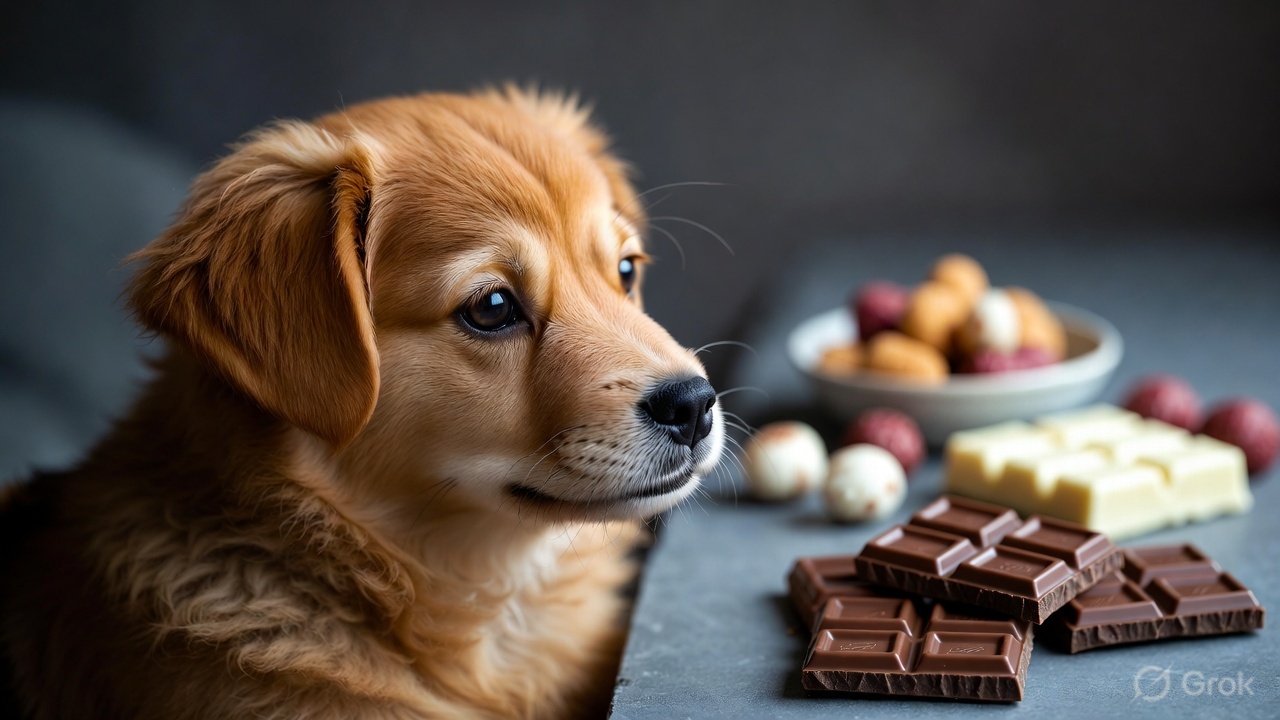
Gujiya, malpua, and besan laddoo are often made with or near raisins and chocolate — both highly toxic to dogs. Even small quantities of raisins or grapes cause acute kidney failure in dogs with no established safe dose. Chocolate causes theobromine toxicity. Mithai shared by visitors can easily be dropped within reach — be vigilant throughout Holi day.
🌿 Bhang & Cannabis
Bhang thandai, bhang laddoo, and other cannabis-infused preparations are consumed openly during Holi in many parts of India. Cannabis is severely toxic to pets — dogs in particular are highly sensitive because they have a much higher density of cannabinoid receptors in the brain than humans. Even small ingestion causes ataxia (loss of balance), urinary incontinence, hypothermia, bradycardia, and potentially fatal respiratory depression. There is no antidote.
🔊 Noise, Music & Crowds
Holi celebrations often feature DJ music at very high volumes in housing societies and public spaces. Sustained loud music is stressful for pets whose hearing range extends well beyond human perception. Crowds of excited people, running, shouting, and sudden movements all trigger the flight response in anxious animals. More pets escape and get lost on Holi than on most other days of the year.
🐕 Stray Animals
India's stray dog and cat population is entirely unprotected during Holi. Deliberately applying color to strays — still seen in some areas — causes the same toxic exposure as in pet animals, with no owner to provide decontamination or veterinary care. If you see color being applied to strays, report it to local animal welfare organisations. Carrying a water bottle during Holi to rinse stray animals you encounter is a small but meaningful act.
Holi Foods Toxic to Pets
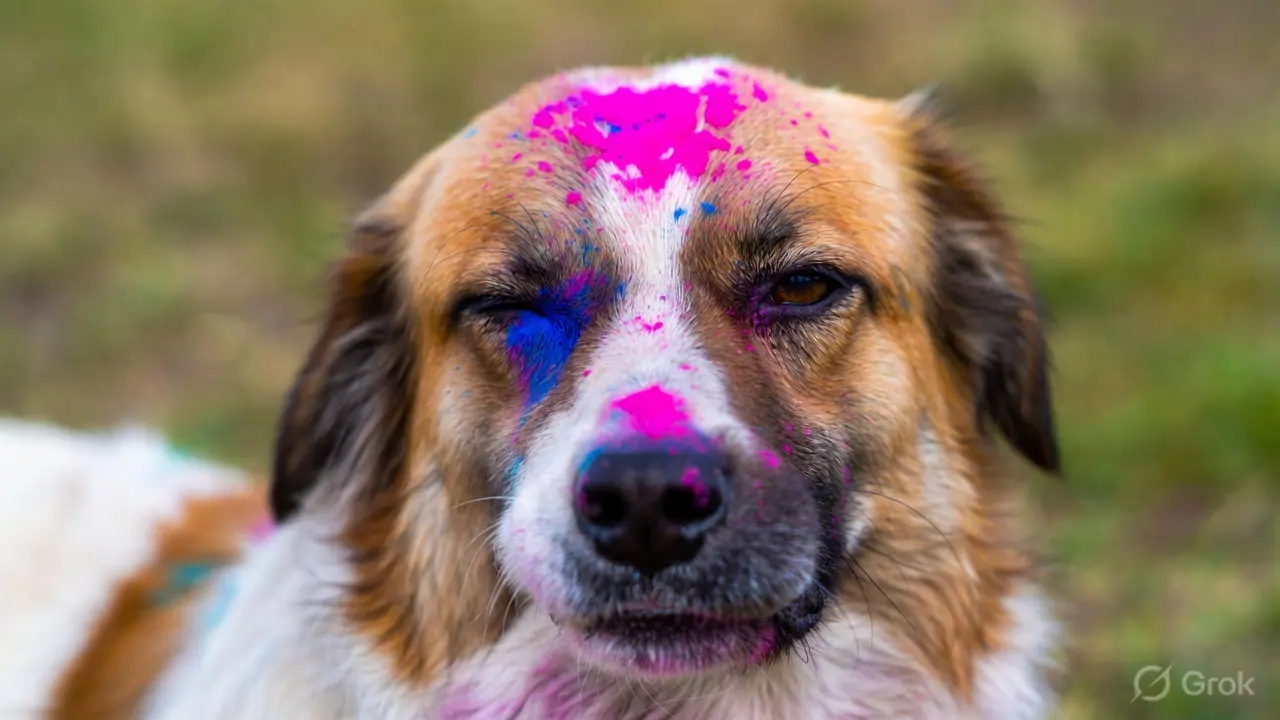
Festival food is shared generously during Holi — with children, neighbours, visitors, and often inadvertently with pets. The following foods commonly present during Holi celebrations are toxic and must be kept entirely inaccessible to dogs and cats:
| Food / Ingredient | Toxic To | Effect | Safe Dose |
|---|---|---|---|
| Raisins & grapes | Dogs (cats also avoid) | Acute kidney failure — mechanism unknown; no safe dose | None — zero tolerance |
| Chocolate (dark > milk > white) | Dogs & cats | Theobromine toxicity: vomiting, arrhythmia, seizures | None — especially dark chocolate |
| Xylitol (sugar-free sweets) | Dogs primarily | Severe hypoglycaemia and liver failure within hours | None |
| Bhang / cannabis | Dogs & cats | Ataxia, hypothermia, bradycardia, respiratory depression | None |
| Alcohol (thandai variants) | Dogs & cats | Hypoglycaemia, respiratory depression, coma | None |
| Macadamia nuts | Dogs | Hyperthermia, tremors, hindlimb weakness | None |
| Onion & garlic (in savoury items) | Dogs & cats (cats more sensitive) | Haemolytic anaemia from red blood cell destruction | Very low threshold — avoid all |
Prevention Plan — The Day Before & Day Of
- Keep pets fully indoors from morning until the streets are clear — even balconies and courtyards are unsafe if color is being used in adjacent spaces
- Apply coconut oil to paws and coat the evening before — this creates a barrier that makes color less likely to adhere and makes post-exposure rinsing significantly easier
- Close all windows and ventilation gaps — color powder can be airborne and travel considerable distances; seal any openings that face areas where celebrations are occurring
- Remove all festival food from pet reach — including items on low tables, floors, and bags belonging to guests who may not know what is toxic
- Inform all guests about which foods are toxic before they arrive — most people do not know that raisins and grapes cause kidney failure in dogs
- Set up a designated safe room away from the main celebration area with bedding, water, and white noise or music to mask crowd sounds
- Check ID tag and microchip before the day begins — escape risk during Holi is high due to open doors for guests and noise-triggered flight responses
- Have your vet's number and an emergency vet clinic number saved — locate a 24-hour clinic in advance, as Holi falls on a public holiday when regular clinics may be closed
Emergency Response — If Your Pet Is Exposed
Time matters. If you act quickly and correctly, the outcome is significantly better than if you wait to see how symptoms develop. Follow this protocol based on the type of exposure:
Color on Skin or Fur
- 1Prevent the pet from grooming — put an Elizabethan collar (cone) on immediately if available, or hold gently while you rinse.
- 2Rinse thoroughly with lukewarm water for 10–15 minutes. Do not use shampoo immediately — surfactants in shampoo can increase dermal absorption of remaining chemicals. Plain water first.
- 3Once rinsed, apply a small amount of mild pet shampoo and lather gently, then rinse again. Repeat if significant color remains.
- 4Dry thoroughly, especially in skin folds, between toes, and in the ear canal. Check skin for redness, swelling, or chemical burns.
- 5Monitor for 24–48 hours: vomiting, lethargy, reduced appetite, skin redness, or behavioural change all warrant a vet call.
Color in Eyes
- 1Flush immediately with sterile saline solution or plain clean water — tilt the head so water runs away from the other eye. Flush for a full 5 minutes.
- 2Do not rub the eye or apply any eye drops, ointment, or home remedy.
- 3Call your vet immediately. Eye chemical exposure is a same-day emergency — corneal ulceration can develop within hours of an irritant contact.
Color or Toxic Food Ingested
- 1Call your vet or emergency animal poison helpline immediately — do not wait for symptoms to appear. Kidney failure from raisin ingestion may not show obvious signs for 24–48 hours.
- 2Note what was ingested, how much, and when — your vet needs this information to advise on the correct response.
- 3Do not induce vomiting unless specifically instructed to do so by a vet. Some toxins cause more damage on the way back up.
- 4Transport to a vet clinic immediately for bhang ingestion, raisin/grape ingestion, or any pet showing neurological signs (trembling, loss of balance, unresponsiveness).
Celebrating Holi Safely & Inclusively
The most important mindset shift for pet owners during Holi is recognising that the festival is happening around your pet whether they are involved or not. Keeping them indoors, safe, and away from exposure is not limiting their experience — it is protecting them from hazards they have no capacity to understand or avoid.
If you want to involve your pet in Holi celebrations in a genuinely safe way, limit their participation to quiet family time indoors, play with normal toys, and perhaps a festive photograph before color is applied to anyone. Many pet-friendly Holi events in Indian cities now use only verified, non-toxic color formulations tested for animal safety — these are worth seeking out if you want a shared experience.
For your neighbourhood's stray animals, consider putting out extra water on Holi day as street water sources may become contaminated with color. Alerting your local animal welfare organisation about any strays being deliberately colored allows intervention before harm occurs.
Related Guides
This content is provided for educational purposes only and is not a substitute for professional veterinary advice, diagnosis, or treatment. If your pet has ingested Holi color, bhang, cannabis, raisins, grapes, chocolate, or any other festival food, or is showing neurological or gastrointestinal symptoms after Holi, seek emergency veterinary care immediately. Do not induce vomiting unless specifically instructed to by a veterinarian.