
Cats age differently from dogs and differently from humans. A cat is considered "mature" from 7–10 years and "senior" from 11–14 years. In the Indian context, where veterinary dental care and preventive health checks have historically been rare, many cats reach their senior years carrying untreated chronic conditions that accumulated silently through middle age — dental disease, subclinical kidney dysfunction, and early hyperthyroidism among them.
The good news is that cats are living longer than ever — well-managed indoor cats in India routinely reach 15–18 years, with some reaching 20+. The key is identifying the diseases of ageing early enough to slow their progression. Most senior cat diseases are not curable, but they are highly manageable when caught before the animal is visibly unwell. A 7-year-old cat that begins 6-monthly health monitoring has a dramatically better quality of life at 14 than a cat presented to the vet only when it stops eating.
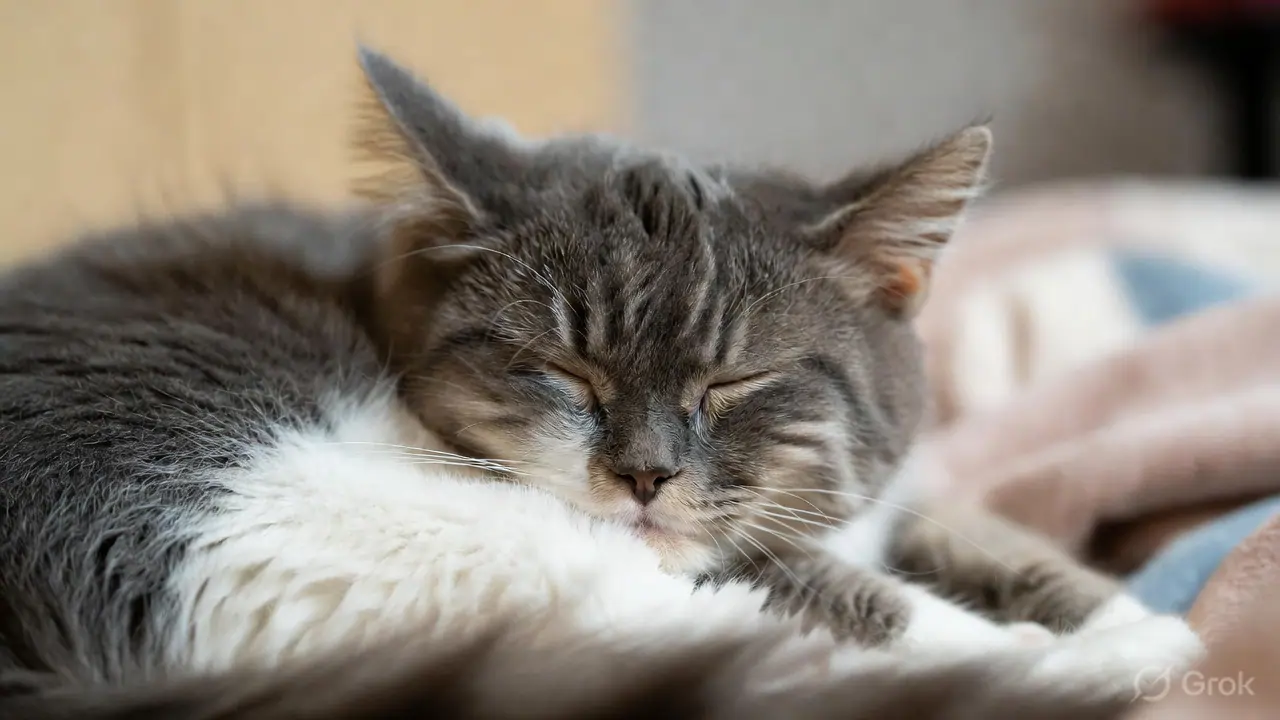
When Does a Cat Become "Senior"?
The International Cat Care (iCatCare) life stage classification: Kitten (0–6 months), Junior (6 months–2 years), Prime (3–6 years), Mature (7–10 years), Senior (11–14 years), Geriatric (15+ years). The "mature" category (7–10 years) is when the first age-related changes begin and when 6-monthly bloodwork monitoring should begin — not at 11 years when the cat is already "senior." In Indian cats, which may be somewhat smaller in average body size than Western pedigree cats, this timeline holds broadly true.
The Four Most Common Senior Cat Diseases
🫘 Chronic Kidney Disease (CKD)
The most common disease of senior cats globally and in India. The kidneys gradually lose their ability to filter waste — by the time clinical signs appear (increased thirst, weight loss, reduced appetite, vomiting), 65–75% of functional kidney tissue is already lost. Early detection through annual creatinine, SDMA (symmetric dimethylarginine), and urine specific gravity testing enables interventions — prescription renal diet, IV fluid support, phosphate binders — that slow progression meaningfully and add quality years. CKD is staged (IRIS Stages 1–4); management intensity scales with stage. Stage 1–2 cats with good management often remain comfortable and active for years after diagnosis.
🦋 Hyperthyroidism
Overproduction of thyroid hormone from a benign thyroid adenoma. One of the most common endocrine disorders in senior cats — and one of the most easily treated when caught early. Signs include: weight loss despite increased appetite, hyperactivity, vomiting, diarrhoea, increased vocalisation at night, matted or unkempt coat, and a palpable thyroid nodule in the neck. Untreated hyperthyroidism causes hypertensive retinopathy (blindness), hypertrophic cardiomyopathy, and secondary kidney damage. Treatment options in India: daily oral methimazole (most accessible), surgical thyroidectomy, or radioactive iodine (available at select referral centres). Diagnosis requires a single T4 blood test.
🦴 Degenerative Joint Disease (Arthritis)
The most underdiagnosed senior cat condition. Unlike dogs, arthritic cats rarely limp — they simply become less active, stop jumping, and groom themselves less thoroughly (particularly the lower back and base of tail — areas they can no longer reach comfortably). In India, the signs are frequently attributed to "old age" and left untreated. Diagnosis requires radiography; management includes: reduced-phosphorus wet food, raised food and water bowls to reduce neck extension, litter boxes with low entry points, ramps to preferred sleeping spots, and veterinary-prescribed NSAIDs or gabapentin for pain management.
🦷 Advanced Dental Disease
Most cats in India reach senior age with significant untreated periodontal disease and, in many cases, painful tooth resorptive lesions — because routine dental assessment under anaesthesia has not been part of their care. Senior cats with severe dental disease eat less, lose weight, and have chronic oral bacterial seeding that contributes to kidney disease progression. Professional dental cleaning with full-mouth radiography under GA is safe in the majority of senior cats with pre-anaesthetic bloodwork clearance — the benefits far outweigh the anaesthetic risk in a properly screened patient. See the Dental Care guide for full detail.
🧠 Feline Cognitive Dysfunction (FCD)
The feline equivalent of dementia. Beta-amyloid plaques accumulate in the brain, causing progressive neurodegeneration. Signs include: nighttime yowling (disorientation in the dark), apparent confusion about the location of litter box, food, or familiar routes; changes in sleep-wake cycle; reduced interaction with family; apparent "forgetting" of previously reliable routines. FCD is underdiagnosed in India because the signs are subtle and the condition is not well-known to most general practice vets. Management: night-lights throughout the home, consistent routine, environmental simplification, omega-3 fatty acid supplementation, and where available, veterinary-prescribed Selegiline (Anipryl).
💗 Hypertension
High blood pressure in senior cats is almost always secondary to CKD, hyperthyroidism, or cardiac disease. It causes "hypertensive emergency" events — sudden retinal detachment and blindness, typically presenting as a cat that suddenly appears confused and is walking into objects. This is the most common cause of acute vision loss in senior cats. Regular blood pressure monitoring (available at specialist vet centres in major Indian cities) from age 7–8 onwards in at-risk cats enables preventive amlodipine therapy before the retinal event occurs. Blindness from hypertensive retinopathy may be reversible if treatment begins within 24–48 hours of the event.
The 6-Monthly Senior Check — What It Should Include
Annual veterinary visits are insufficient for cats over 7 years. The WSAVA and iCatCare both recommend 6-monthly health monitoring from the mature life stage. In India, this can be achieved at any well-equipped veterinary clinic and does not necessarily require a specialist. A comprehensive 6-monthly senior cat check should include:
| Assessment | What It Detects | Frequency |
|---|---|---|
| Body weight and body condition score (BCS) | Weight loss (CKD, hyperthyroidism, cancer, dental pain) and obesity (arthritis, diabetes) | Every 6 months; monthly at home |
| Full physical examination including thyroid palpation | Thyroid nodule (hyperthyroidism), lymphadenopathy, abdominal masses | Every 6 months |
| Bloodwork: creatinine, SDMA, BUN, phosphorus, total T4, albumin, liver enzymes | CKD (SDMA most sensitive early marker), hyperthyroidism, liver disease | Annually from age 7; every 6 months from age 11 |
| Urinalysis with urine specific gravity | Early CKD (USG below 1.035 in cats), urinary tract infection, proteinuria | Annually; every 6 months with CKD |
| Blood pressure measurement | Hypertension secondary to CKD or hyperthyroidism | Every 6 months from age 7 in at-risk cats |
| Oral health assessment | Periodontal disease staging, resorptive lesions (requires GA + radiography for definitive assessment) | Annually; at least one dental clean with radiography in cats over 7 years without prior dental history |
| Mobility and pain assessment | Degenerative joint disease, spinal pain | Every 6 months; owner mobility diary at home |
Home Monitoring — What Owners Can Track
Meaningful early disease detection in senior cats can happen at home. Monthly monitoring of the following costs nothing and provides the data your vet needs to identify trends before they become crises.
Adapting the Home for a Senior Cat
- Ramps and steps to elevated spots: An arthritic cat cannot be expected to give up its favourite window perch — it just cannot jump to it comfortably. Carpet-covered ramps or step platforms allow continued access without joint stress.
- Litter boxes with low entry points: Standard high-sided litter boxes require leg lifting that is painful for arthritic cats — the result is elimination beside rather than inside the box. Modify existing boxes with a cut-out entry or purchase low-entry trays. Place one on every floor of the home so the cat never has to descend stairs in discomfort.
- Raised food and water bowls: Bowls at floor level require neck extension that is uncomfortable for cats with cervical arthritis. Raising to wrist height significantly reduces discomfort and improves eating posture.
- Night-lights: Essential for FCD cats and helpful for any cat with reduced vision. Position near litter boxes, water sources, and between sleeping spots and exit routes.
- Warm, draught-free sleeping spots: Senior cats thermoregulate less effectively and feel cold more acutely — particularly in Indian homes during winter months in northern cities. Heated pet pads or simply a blanket in a sheltered spot away from AC drafts significantly improves comfort for arthritic cats.
Related Guides
This content is provided for educational purposes only and is not a substitute for professional veterinary advice. Senior cat diseases require accurate diagnosis through examination and laboratory testing. Contact your registered veterinarian to establish a 6-monthly senior health monitoring plan. If your senior cat shows sudden behaviour change, weight loss, vision changes, or any signs of distress, seek veterinary care promptly — many senior cat emergencies are time-sensitive.